

Learn to cook the lightest, fluffiest floater matzo balls ever! When it comes to the Jewish holiday of Passover, people tend to love one of two matzo ball textures – floaters or sinkers.
My family’s personal preference is for delicate floaters, which are light, tender, and soak up soup broth like a sponge.
In this post I’ll walk you through a few different techniques for making floater matzo balls that are light as air. I’ll also share my favorite way to make homemade matzo ball soup – the irresistible chicken soup that matzo balls are typically served with.
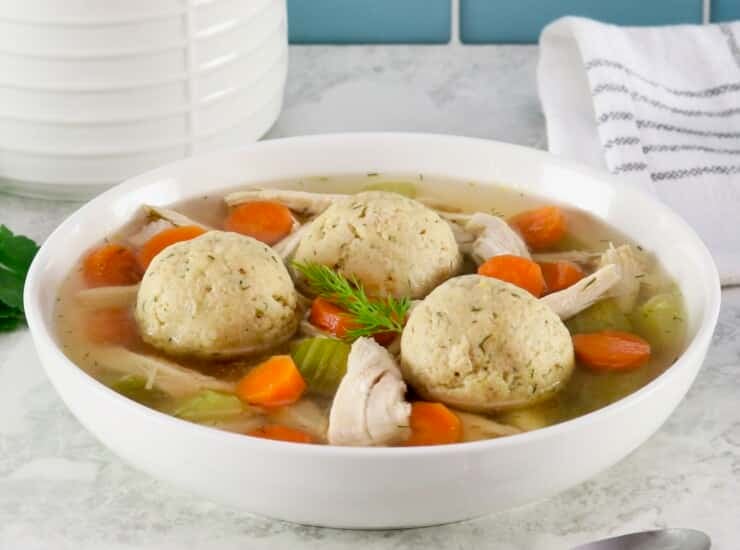
What is a matzo ball?
Matzo balls (sometimes spelled “matzah” or “matza”), are a traditional Jewish food that can be likened to a Kosher for Passover soup dumpling. In order to be considered kosher for passover, a recipe cannot contain any leavened grain. The leavened grains in this dumpling are replaced with matzo meal, then combined with eggs, water, fat, and any additional herbs or spices you may like.
Some home cooks prefer light and airy matzo balls, like my recipe below. Others enjoy a firmer, chewier texture, known as “sinkers” (because they sink in the pot).
If you enjoy the latter, check out my sinker recipe. It produces a firm, pleasantly chewy texture with the same flavor profile as these floaters.
In my family, we prefer floaters. But how exactly do you make them?
How do you make light and fluffy matzo balls?
There are two ways to make light and airy floaters – use baking powder, or incorporate whipped egg whites with seltzer.
Baking powder is the secret to really light floaters. However, some people don’t like to use baking powder during Passover.
I’ve included instructions for both approaches in the recipe below – so if you don’t want to use baking powder, no problem.
But honestly, baking powder isn’t against Passover restrictions. Why? Read on!

Can you use baking powder in matzo balls?
For many years, I used Manischewitz mix to make my matzo balls. One day, I studied the ingredients, and noticed sodium bicarbonate and monocalcium phosphate. These are the active ingredients in baking powder.
So, I started doing a little research. Turns out, baking powder is key to creating the fluffiest, lightest “floater” matzo balls. Using carbonated water or seltzer in combination with whipped egg whites will help get you fluffy floaters. But baking powder makes the biggest difference.
How could baking powder could be kosher for Passover? Baking powder is mineral based, not grain based. Consequently, it does not fall under the banner of “chametz,” the group of foods that are banned for Passover. This issue has been discussed at length on kosher websites across the web.
Joan Nathan wrote an article about it for the New York Times in April 2006. In her article, Rabbi Moshe Elefant of the Orthodox Union’s kosher division, says: “There is nothing wrong about a raised product at Passover per se.” The Orthodox Union is the oldest and most widely accepted certifier of kosher foods.
If the OU doesn’t have a problem with certifying baking powder for Passover, neither do I. Actually, there are several brands of kosher for Passover baking powder.
Some people choose not to use baking powder they feel it doesn’t jibe with the spirit of the Passover holiday. After all, it is an artificial, non-grain-based form of leavening. Others have no problem using baking powder, as long as it has a kosher hechsher. No judgement here, every family is different.
Suffice it to say, the choice to use baking powder is a matter of tradition and preference. One thing is for sure, it definitely makes for lighter, fluffier matzo balls. However, if you’re in the camp of folks that doesn’t want to use it, I’ve provided alternate instructions below.
Can you freeze matzo balls?
Matzo balls actually freeze well and retain their flavor and texture. Simply cool them to room temperature after cooking.
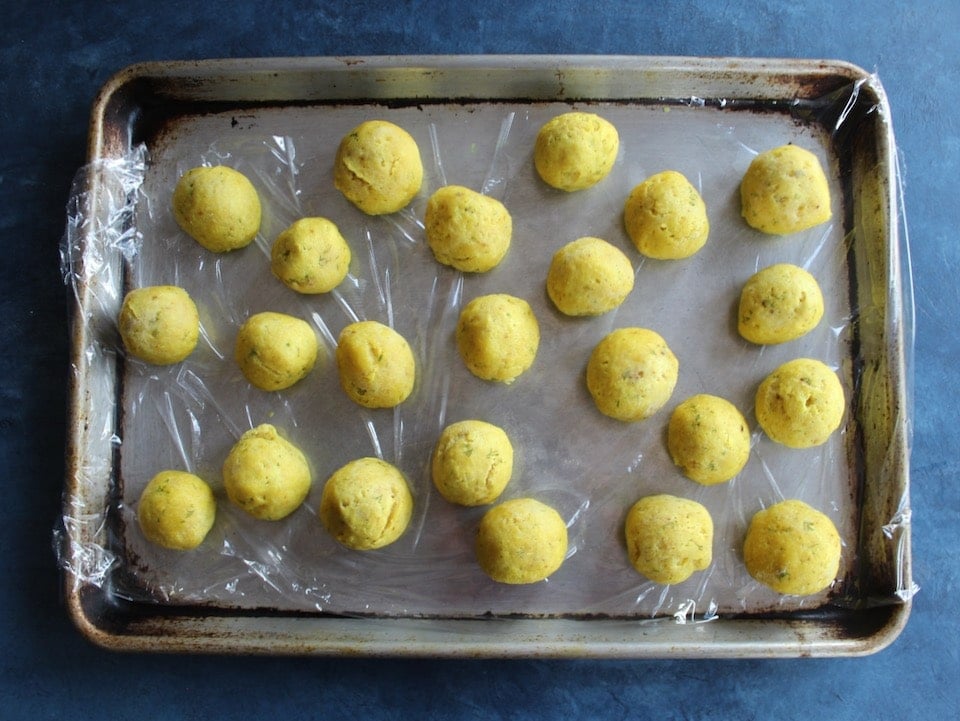
Line a sheet tray with wax paper or plastic wrap, place the matzo balls on a sheet tray, and place in the freezer for 2 hours or so (until they get firm). Transfer to a freezer safe bag or container once frozen. When ready to serve, add them directly to your soup and reheat – no need to defrost.
If you need a delicious chicken soup recipe to serve with your matzo balls, check out my matzo ball soup recipe. It’s truly the best… my family asks for it year-round, whether or not it’s a Jewish holiday! I hope it becomes a favorite in your family, too.
Recommended Products:
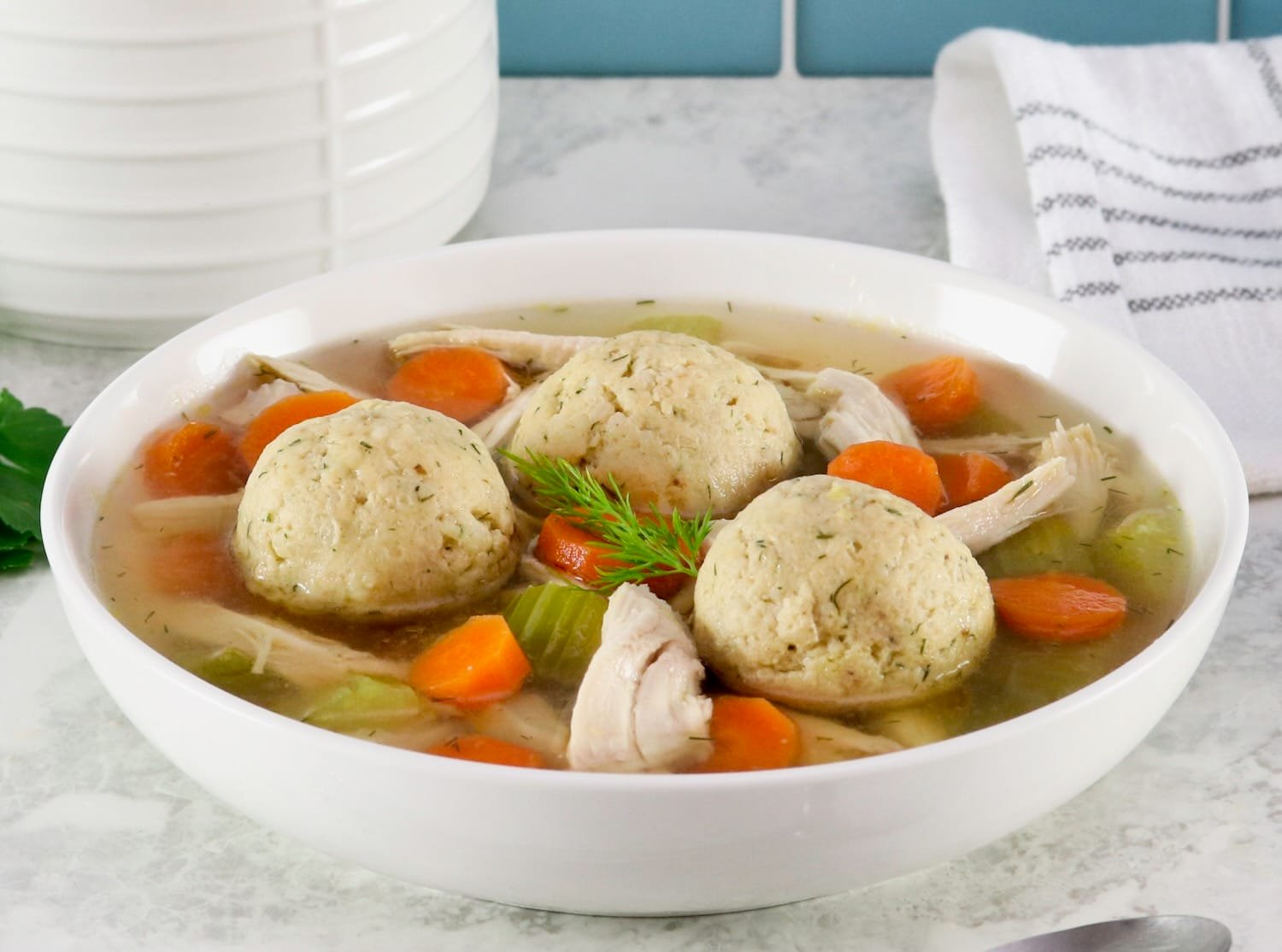
Floater Matzo Balls
Ingredients
- 1 cup matzo meal
- 1 teaspoon baking powder (optional for Passover – see notes below for details)
- 1/4 teaspoon sea salt, heaping
- 1/4 teaspoon garlic powder, heaping
- 1/4 teaspoon onion powder, heaping
- 1/4 teaspoon white pepper (optional)
- 4 large eggs
- 1/4 cup melted schmaltz, avocado oil, or safflower oil (use schmaltz for best flavor)
- 1/4 cup unflavored seltzer (only needed if not using the baking powder)
- 1 tablespoon minced fresh dill or parsley (optional)
- 5 quarts chicken stock (I highly recommend homemade chicken stock – none on hand? Check out the alternative method outlined below)
Instructions
To Make Floater Matzo Balls With Baking Powder:
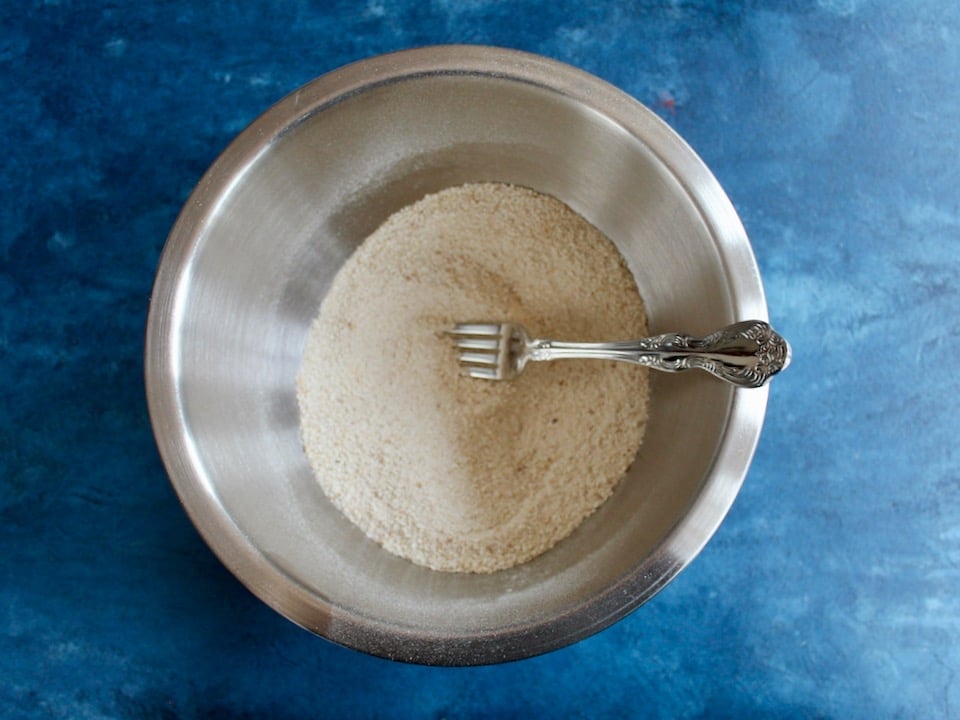
- In a medium mixing bowl, use a fork to stir together the matzo meal, baking powder, salt, garlic powder, onion powder, and white pepper.

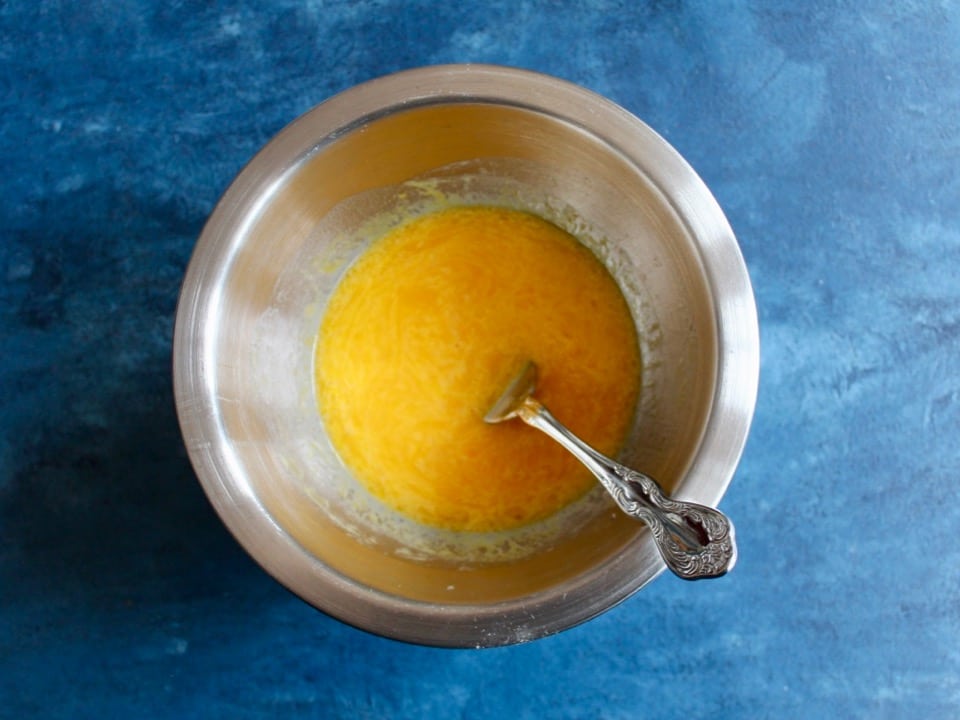
- In another small mixing bowl, use another fork to mix together the eggs and schmaltz (or oil), stirring briskly to make sure they are well blended.
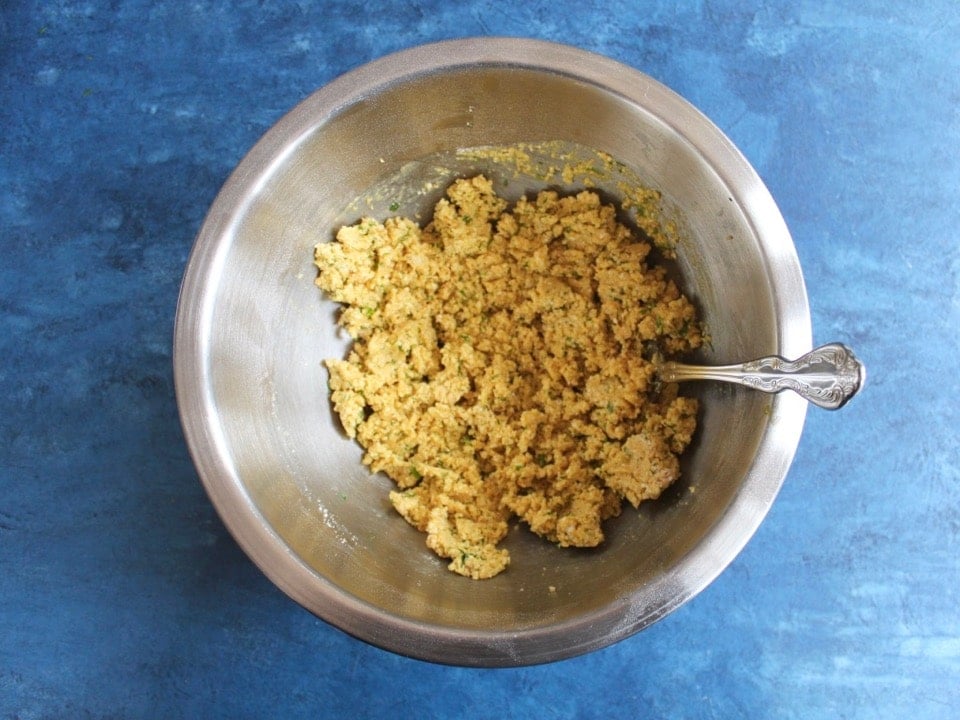
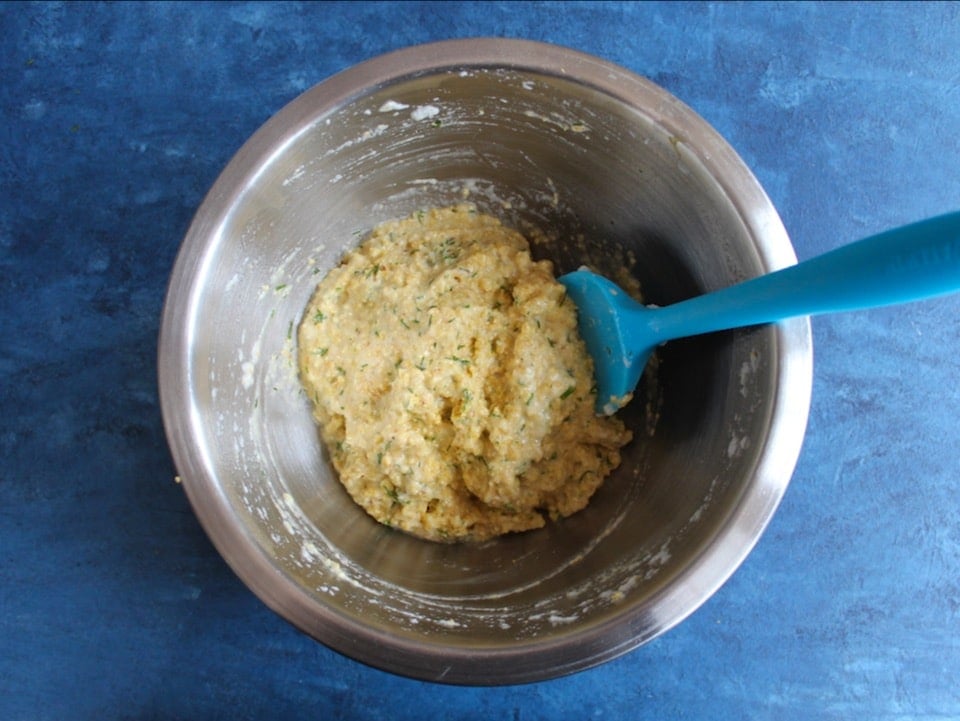
- Pour egg mixture into the dry ingredients, and add the minced dill or parsley. Mix all ingredients together with a fork until just combined. Do not over-mix.Put the bowl of matzo ball mixture into the refrigerator and let it rest for 30 minutes.
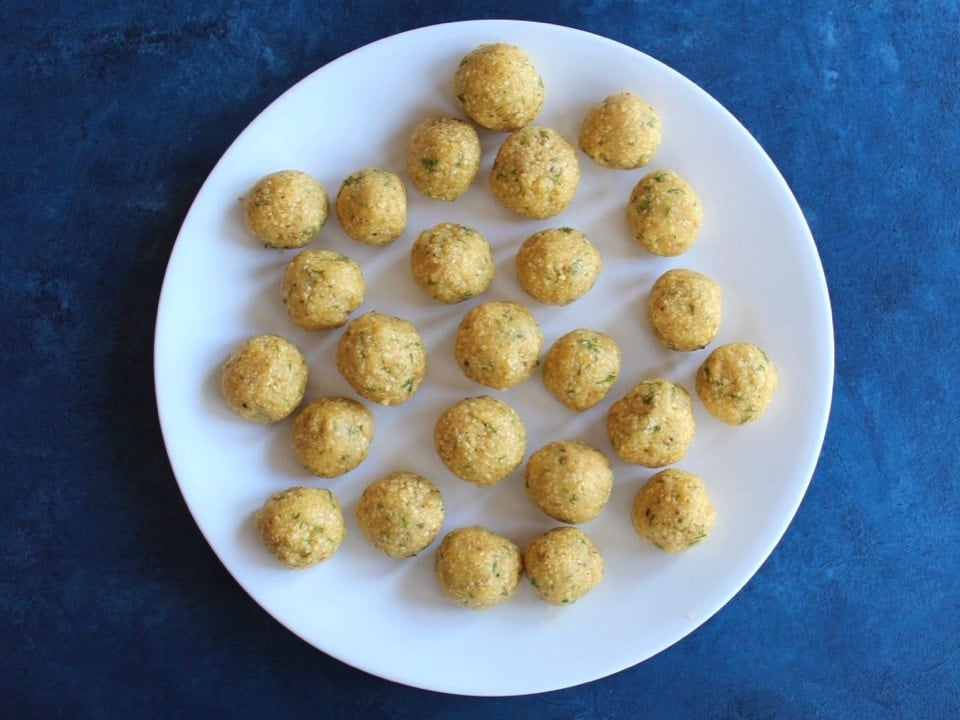
- Bring your 5 quarts of chicken stock (or saffron water stock outlined in Notes section) to a boil over medium heat.While your broth or water is warming, form the chilled matzo ball mixture into 1-inch balls (roughly walnut-sized). Don't overwork the mixture when you roll the balls.
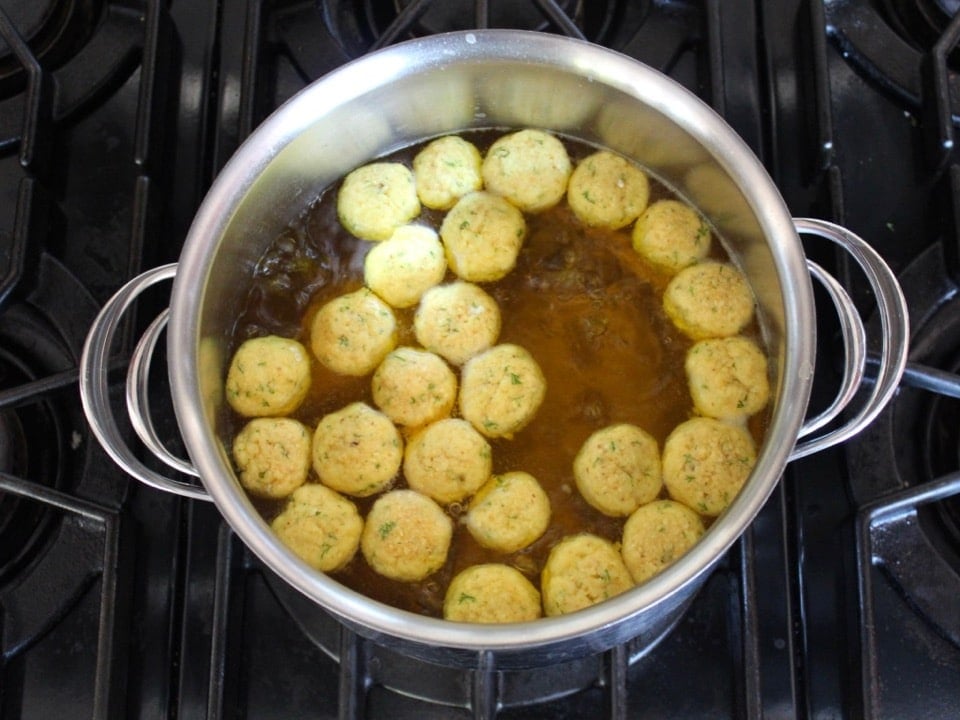
- When your broth or water boils, reduce heat to a simmer and drop the matzo balls gently into the liquid.
- Cover the pot with a lid and let the balls cook for 30-50 minutes until fluffy and soft. Keep the pot covered– no peeking until at least 30 minutes have gone by! If you've followed instructions carefully, the balls should be floating on the surface of the water like billowy clouds of deliciousness. If they still seem dense or tight, they haven't cooked long enough. The should look soft and airy.
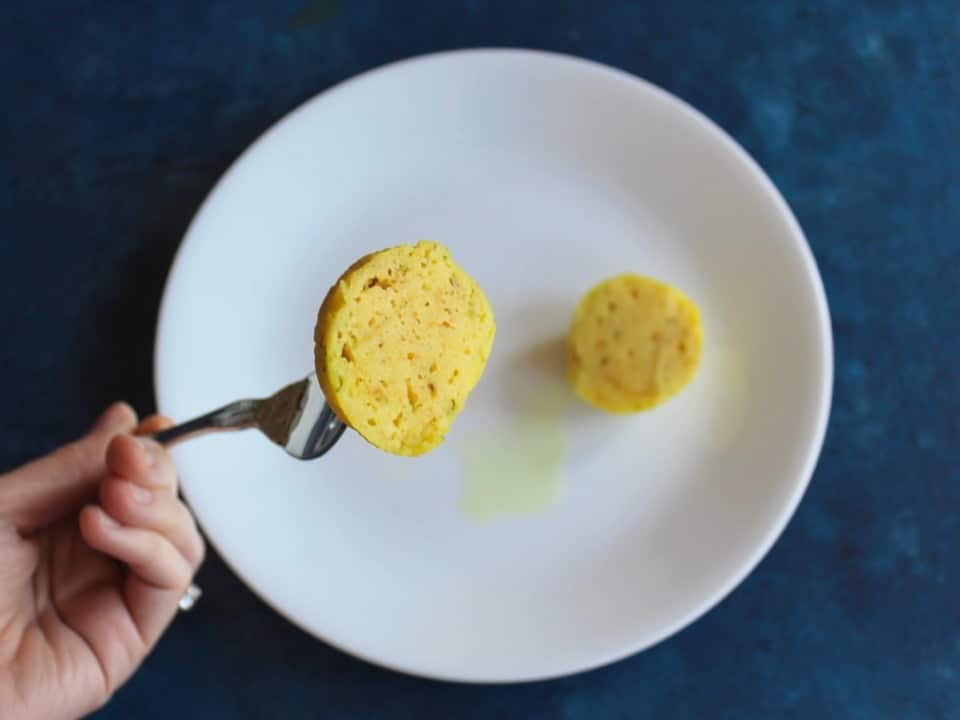
- Test for doneness by slicing a test matzo ball in half. It should look the same all the way through the center – tender, with no dark spot in the middle. If the middle is darker than the edges, it will need to simmer a little longer – it's not quite cooked yet. Don't be afraid to cook longer if it seems dense in the center, as it really won't be light and fluffy unless it is fully saturated with broth and cooked all the way to the center.

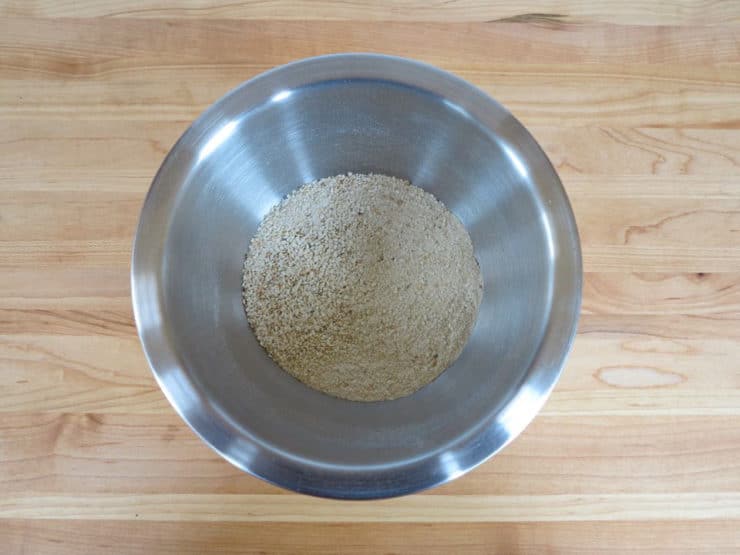
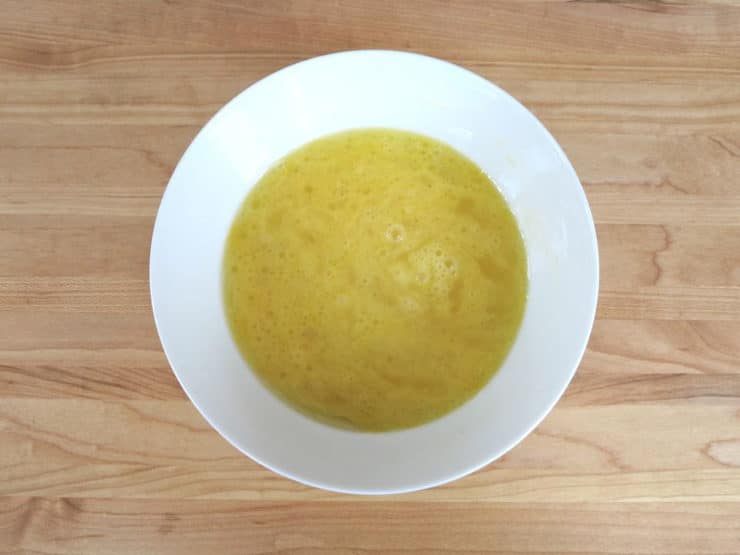
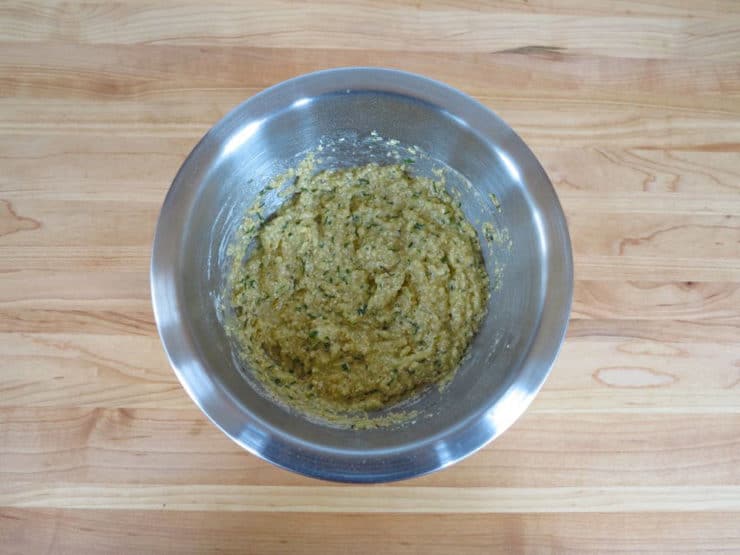
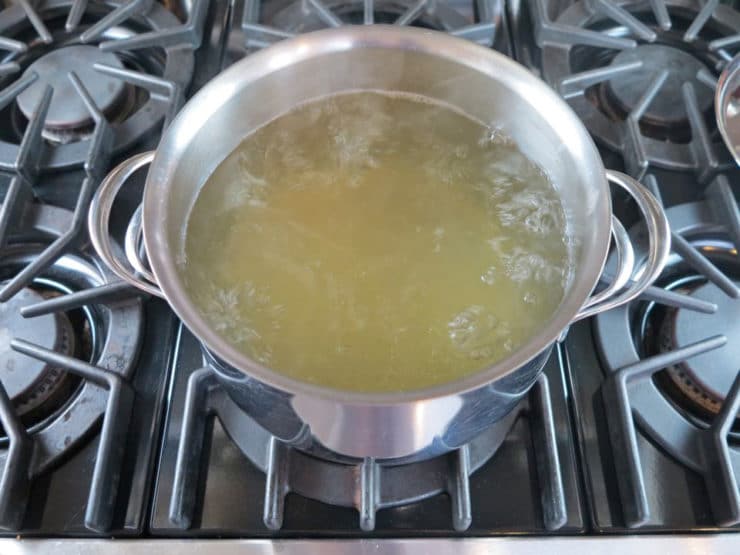
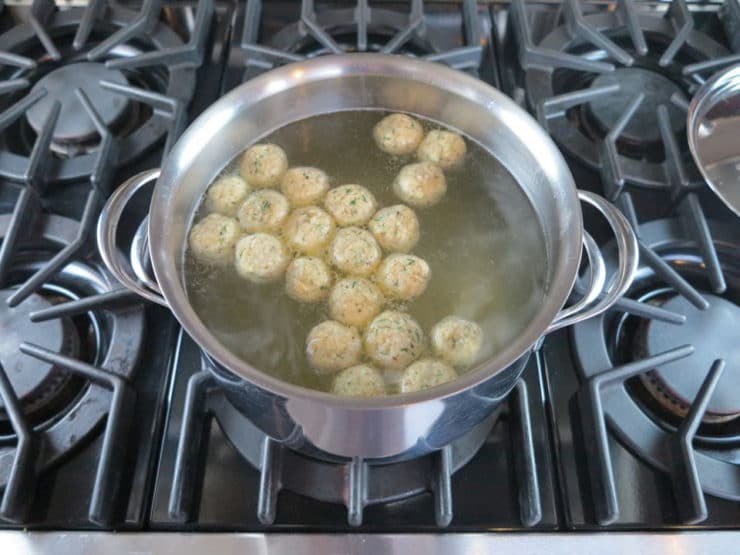

To Make Floater Matzo Balls Without Baking Powder:
- If you're not using baking powder, you may want to use avocado or safflower oil instead of schmaltz. Both of these oils will yield a fluffy result, though they are not as flavorful as schmaltz. Schmaltz tends to make the matzo balls a little heavier, but it's really flavorful.Separate the egg whites from the yolks, putting the whites in one of the medium mixing bowls and the yolks in the small mixing bowl. Use a fork to stir together the egg yolks and oil (or schmaltz), stirring briskly to make sure they are well blended. Gently stir in 1/4 cup of bubbly unflavored seltzer.
- In the second medium mixing bowl, use a fork to mix together the matzo meal, salt, garlic powder, onion powder, and white pepper.
- Pour egg yolk mixture into the dry ingredients, and add the minced dill or parsley. Mix with a fork until just combined. Do not over-mix.
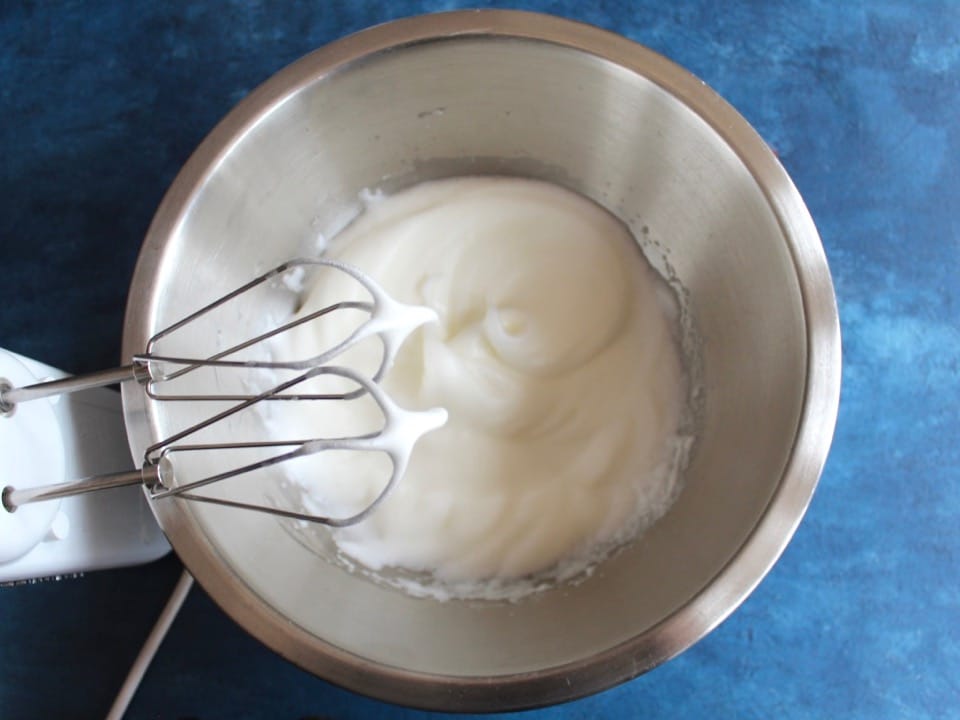
- Whip the egg whites with an electric mixer to stiff peaks.
- Fold the whipped egg whites into the batter. Do not over-mix; you want the egg whites well integrated, but over-mixing will deflate them.Put the bowl of matzo ball mixture into the refrigerator and let it rest for 30 minutes.

- Bring your 5 quarts of chicken stock (or saffron water stock outlined in Notes section) to a boil over medium heat.While your broth or water is warming, form the chilled matzo ball mixture into 1-inch balls (roughly walnut-sized). Don't overwork the mixture when you roll the balls.
- When your broth or water boils, reduce heat to a simmer and drop the matzo balls gently into the liquid.
- Cover the pot with a lid and let the balls cook for 30-50 minutes until fluffy and soft. Keep the pot covered– no peeking until at least 30 minutes have gone by! If you've followed instructions carefully, the balls should be floating on the surface of the water like billowy clouds of deliciousness. If they seem dense, they need to cook longer. Note that after you open the lid the first time, the matzo balls may sink to the bottom of the pot. That doesn't mean you've failed to make floaters – it just happens when the lid comes off.
- Test for doneness by slicing a test matzo ball in half. It should look the same all the way through the center – tender, with no dark spot in the middle. If the middle is darker than the edges, it will need to simmer a little longer – it's not quite cooked yet. If you formed your balls any larger than the recommended size, you may need 10-15 minutes (or longer) than the suggested cooking time. Go by texture and doneness. It won't be light and fluffy unless it is fully saturated with broth and cooked all the way to the center.
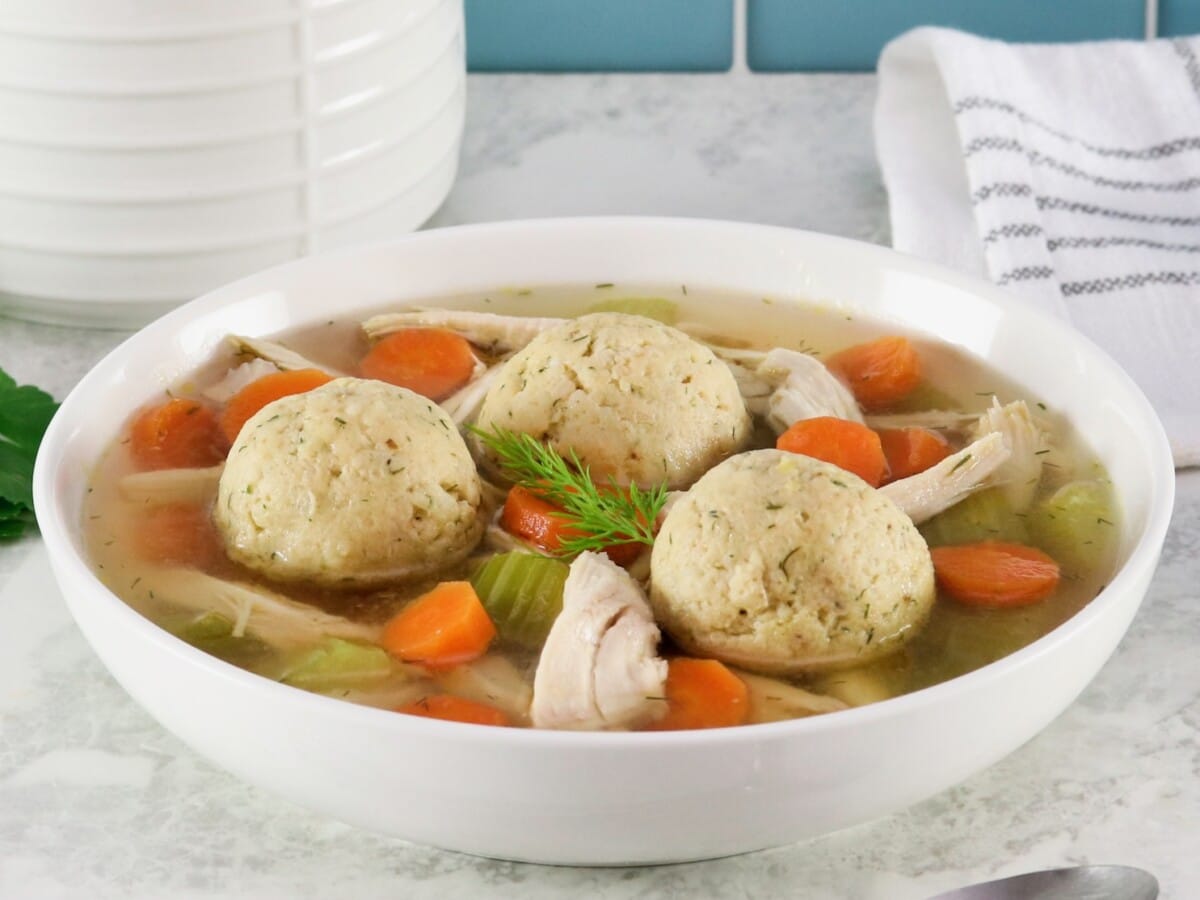
- Serve two or three matzo balls per bowl with hot chicken soup ladled over them. If you don’t plan on serving the whole pot of soup at one sitting, make sure you remove the matzo balls from the broth and let them come to room temperature before storing them in a separate sealed container in the refrigerator. If left to sit in the broth, they'll become mushy.



How to Freeze Matzo Balls
- Once your matzo balls are fully cooked, line a baking sheet with wax paper or plastic wrap. Use a slotted spoon to remove the matzo balls from their cooking liquid and place them gently on the lined sheet. Let cool to room temperature.
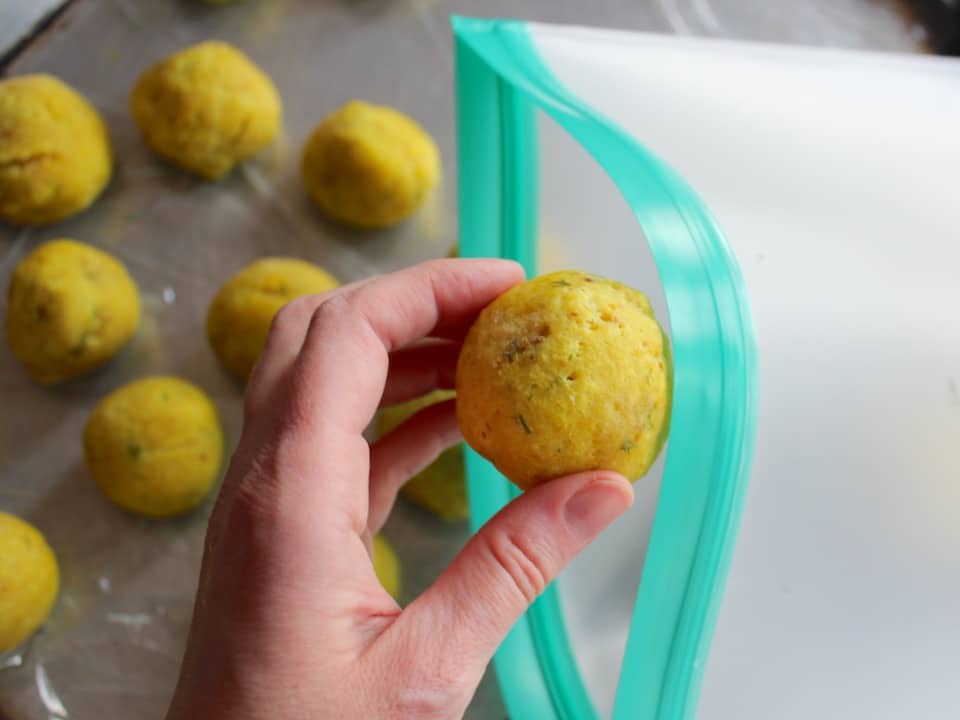
- Place the matzo balls in the freezer and let them freeze until they are firm to the touch, around 2 hours or so. Once they are firm, you can place the matzo balls into a freezer bag (I use reusable silicone freezer bags).
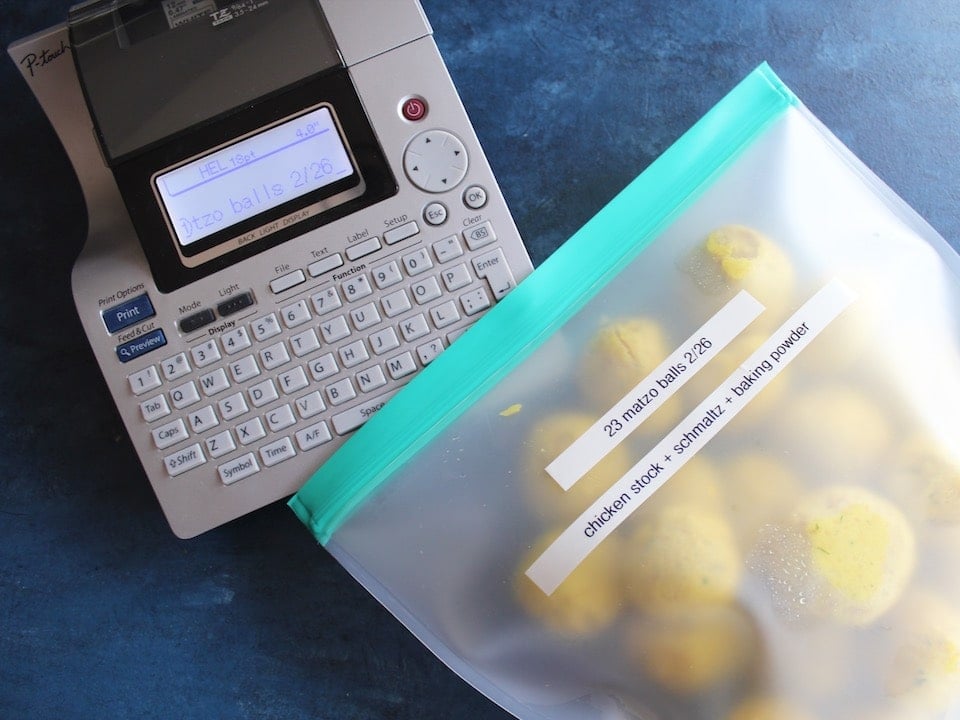
- Label them with a label maker, if you want, so it will be easier to remember what you have on hand in future. They can be thawed and reheated directly in hot soup (or a pot of soup stock) just before serving.
- Additional Notes: You can cook matzo balls directly in your soup broth (which will give them excellent flavor), but it will soak up a lot of the yummy stock, leaving you with very little broth for serving.
NOTES
Nutrition


Hey,great recipe. On the question about whether baking powder is kosher for passover or not, I’m looking at my can of “Davis Baking Powder” and the first ingredient is Cornstarch. Looking fwd to enjoying your site! Josh
Hi Josh! Yes, if you were to use baking powder during Passover you should first make sure that the brand you are using is certified for Passover use (which would mean no cornstarch). Welcome!
Years ago, my late husband found out that I Hop used club soda to make their pancakes fluffy….bet it would work in the matzo balls? Would it be kosher?
I recently had one of my “bucket list” wishes come true; going to New York! Although I am not Jewish, and never had matzo ball soup, I just felt like it would be a sin not to have it while there! Well, Katz’s deli was the place we chose and I was blown away! Before seeing your recipe, I used what was supposedly their recipe, and they turned out awful! Recipe didn’t say to keep the lid on and didn’t call for baking powder. I even tried cooking them longer, but that didn’t help. Hard rubbery consistency and I was so disappointed. But seeing all the positive comments here, I am trying it again today with your recipe. I have a feeling they will be a winner and am so excited!
Finally – fluffy matzoh balls without separating eggs, letting it sit overnight, etc. etc. I just threw out a whole batch of balls that had separated eggs and all of my chicken fat – (Ina Garten complicated and didnt work) and had to remake a fresh batch with your recipie. I was thrilled that it was so easy – and it worked!!
Thank you Tori – I love your recipes (the salmon with pesto rocked)! And I love the way you present with pictures. I will visit your site often!
Fabulous Jill! So happy to hear that. I aim to please. 😉
My Mom, who will be ninety next week and has always been the “Queen of floaters”, recently made two attempts at matzo balls, and both were failures. The first batch was made with matzo meal from my kitchen which she complained had a different texture than hers. When I looked at it, she was right! It looked and felt more like cake flour to me – it didn’t have that nice cornmeal texture that I was familiar with, and it made serious “sinkers”. We checked the box and it was Manischewitz matzo meal, not cake meal. I recently went to buy new matzo meal and it has that same fine texture as what I had on my shelf. I used to use my matzo meal to bread things with instead of bread crumbs, but this new stuff does not have the right consistency to do that. My Mom tried making matzo balls with it today and had the same thing happen. They poof up while cooking, but are very dense inside. She is ready to give up and move to the matzo ball mix in the box. I, however, am going to try your baking powder tip. Are we the only ones in the world who think that the texture of the matzo meal has changed recently????? THANKS!!
I haven’t noticed a difference with the matzo meal… that’s really interesting! I wonder if it would be better to simply make your own meal by pulsing matzo in a food processor till it has the consistency you’re used to? The dense texture in the center means you’re not cooking the matzo balls long enough, they may look cooked on the outside but if they’re hard/dense inside it means they haven’t simmered long enough. Try this recipe and make sure you give them plenty of time to simmer. The Manischewitz matzo ball mix is very fluffy, too, but this recipe replicates that texture as long as it’s fully cooked. Good luck!
I like the recipe, everything makes great sense especially the baking powder and spices. The only thing I will do differently is use coconut oil instead of the shmaltz. It has rich flavor like the shmaltz and is the healthiest oil on the planet. I use it for almost everything.
I saw a similar recipe in Newsday this year, thought about trying it, but my family is *stuck* in their ways. My matzo balls had been inconsistant for a while, usually sinkers. What works for me is I make them ahead, beat the eggs frothy, add very cold water. Rest the mix at least 30 min in the fridge (like my mom taught me), I do the lidded pot-don’t lift it. BUT I freeze them immediately in muffin cups (kitchen aide silpats) then bag them up in a ziplock. I defrost them and reheat them in soup. That seemed to do the trick for me, but one day I will try your recipe.
Best, Ruth
I have always made my matzo balls the same day I serve them. Do they really stay fluffly and “floaters” if I make them a day before and store in refrigerator? Does freezing them change their “floating” power??!!
P.S. Just made your chicken soup recipe and it was Excellant!
So glad you liked the soup Sharon! To be honest, I’m not a big fan of making the matzo balls ahead. It can be done, but they won’t be quite as fluffy as they would be fresh. As for freezing, and if that will change their floating powers, it’s a great question… I’m not really sure!
I have been freezing my matzoh balls for Passover every year for at least the last 10 years. We are floater fans and have not had any problems with lightness.
The matzoh balls do shrivel a little when I remove them from the water but regain their shape when I reheat them in the soup.
However I do separate the eggs and food in the whites last instead of using baking powder (which I didn’t think was K4P).
thanks for the schmaltz and matzo-ball recipes, i enjoy the site and comments.
How much to these expand by (to?). If they start off at 1 inch how large are they when they are cooked. I have seen some huge ones…like baseball size. Is there any problems when making them that big?
Hi Bernadette, they expand to about 2.5 times the original size. Definitely not baseball sized, but if you cook them for longer than the suggested time they will expand more. You can make larger ones if you prefer, but I wouldn’t start any bigger than 2 inches– this will give you a nice, large matzo ball. You may need to cook a bit longer with the larger size to make sure it’s cooked all the way, through. Starting any larger than 2 inches may leave you with an uncooked middle, and they’ll be more difficult to handle and manage without falling apart (plus they’ll soak up a lot of the broth in the pot). Good luck!
Hi, I saw your post on Google+ and then I found these. I am going for the floaters. Look scrumptious. Happy Sunday!
Thank you for your website and recipes. I will certainly try both your sinker and floater matzo ball recipes to please the differing tastes of my family, but let me tell you about the time I made bouncers! My guess is too many eggs and too fast a boil (?). The matzo balls started out large enough but then shrunk down. Some of us went to dig into them and the balls jumped out of our shallow soup bowls and bounced across the table. Others chased their balls around the soup bowl with their spoons. We finally used forks to spear them, then cut them with knives before using our spoons. I was mortified, but the children had such fun! I’ve made many mistakes learning to cook unfamiliar jewish foods.Your website should help those new to kosher cooking since your amounts are measured and the steps are clear. Over the years, this shiksa has made some doozies. My stepchildren and now-grown grandchildren continue to tease me about the amazing matzo superballs . . . and my blue chicken is another failed recipe which still gets guffaws.
will walnut oil work instead of grapeseed oil? that’s what we use on pesach.
Wlanut oil is heavily flavored. Grapeseed oil is neutral and does not add any discernable flavor. I think the walnut oil would be a msitske from a taste perspective.
As I recall — Arthur Schwartz also suggests Corn Oil — not b/c of its lightness but because of its flavor, which he purports to agree with or even mimic that of meat.
I love the subtle nuttiness it adds to kneidlach as shmaltz (chicken fat) has flavor that’s not far from nuts and seeds. The big issue with using nut oils is that though tasty, they often triggers allergies. If you know for sure that all the diners are fine with nuts, I say go for it or for hazelnuts or others with a similar taste. Healthy, too!
I hate to admit I’ve never had matzo balls. I must try them. Or I could come visit you and you can make them for me. *grins*
Huh. Baking powder, you say? Matzoh ball lightness is a point of…um…discussion with the mom-in-law. She says Crisco as the shortening and her matzo balls are better than mine (ooh, that was painful). But maybe there’s more to her story? I’m going to try the baking powder before the holiday to make sure I can back up a new claim 🙂 Thanks.
Anita
shrug off the MIL’S comment – most MIL’s – I said MOST- not all -are on an ego trip as far as I am concerned. Facts don’t lie – point out to her that the shortening she’s been using all these years hasn’t been doing her health/ organs any good – look up TBHQ and also remind her anything hydrogenated is – you fill in the blank. Also, if she knew anything about flavor ( I am backing you up on this one ) she would know that using even the soup’s schmaltz would create a most delectable matzoh ball – hands down winner ( puts her shortenin’ ones in a corner, for sure.). Tori’s recipe here is a WINNER in my books….now take all this on over to MIL’s house….
Always learning something here! I’m especially enjoying all of this new knowledge about Passover and Passover foods. 🙂
So that’s how the Manichewitz gets the matzo balls from that mix to be light and fluffy!!! I never knew and I have been using the stuff for years. Thanks for letting us know.
Hi Tori,
Sodium bicarbonate is baking soda, not baking powder as far as I know.
Hi Laurie– in the mix, the sodium bicarbonate is combined with monocalcium phosphate– when the two are combined, it creates baking powder. I will clarify the post. 🙂
I was taught by my mother-in-law B’H that once you put the lid on the pot, DO NOT LIFT THE LID. You let the steam out, and cool air in. This makes for what my husband B’H called *Golf* balls. You know, the ones with the hard center.
To this day, any time I make matzo balls, I make *mama’s*. Light, fluffy, and so yummy.
I use a “splash” of sparkling water… in my mix as I am beating the eggs… San Pelligrino sparkling water and it does make them light and fluffy !!!! enjoy !!