

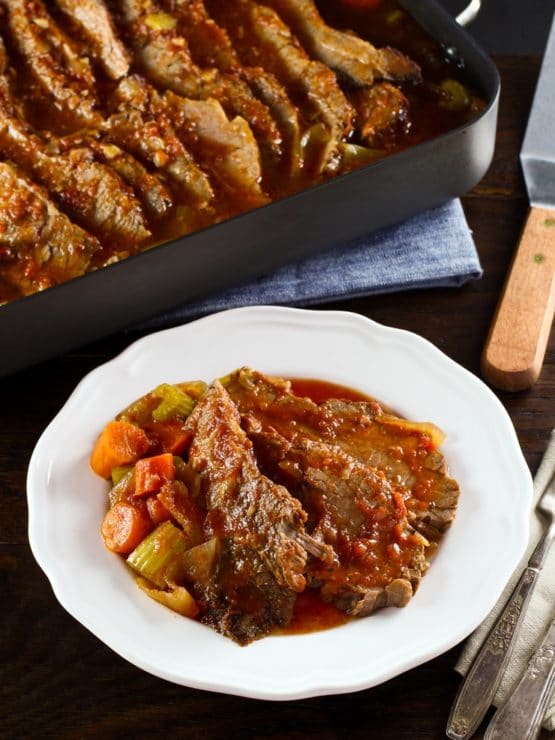
This Holiday Brisket is one of my more popular brisket recipes for the Jewish holidays. It is inspired by a classic Ashkenazi sweet-and-sour brisket, but the flavors here are more subtle.
This brisket is savory, aromatic, and subtly sweet with just a touch of tang. It’s always a crowd pleaser!
Jews living in Eastern Europe rarely had the money to buy better cuts of meat. They learned to make do with cheaper kosher cuts, like brisket, oft overlooked for its toughness. Cooking the brisket low and slow breaks it down, resulting in a tender piece of meat.
This Jewish tradition continues today, and brisket is often served for special holidays and occasions. On Shabbat, it is added to a pot with vegetables and potatoes to make a slow-cooked meaty stew known as cholent.
At Rosh Hashanah, it is added to root vegetables with sweet dried fruits and slow cooked into tzimmes.
When Ashkenazi Jewish immigrants came to the United States, they brought their love of brisket with them. Jewish deli owners pickled the brisket to make corned beef or pastrami. But for the holidays, nothing could replace the comforting, hearty flavor of an oven-roasted brisket.
How to make brisket tender
The secret to a cooking brisket is twofold– brisket fat and time are key for tender and delicious results. Choose a cut with nice marbling; the more fat you can see, the more tender the meat will be.
If buying grass fed (which tends to be leaner), make sure there is a fat layer and don’t let the butcher trim it. And of course, allow yourself plenty of time to cook your brisket.
If you can, make it a day or two ahead– the flavor will improve with time. More tips here: How to Cook Brisket – Tips and Recipes
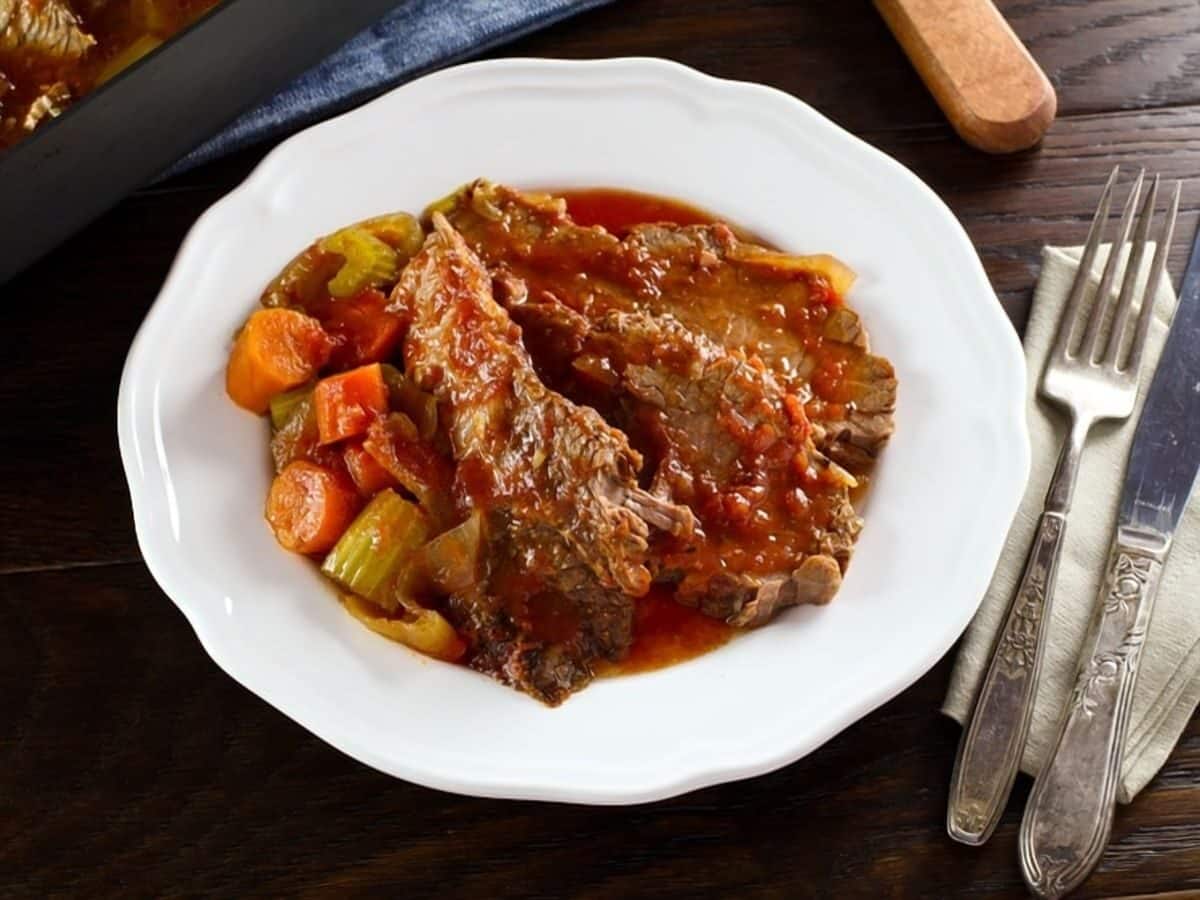
My Holiday Brisket slow cooks for hours, so the final product flakes tenderly and simply melts in your mouth. The sauce is rich and flavorful, and the slow cooked vegetables are soft, like butter. The flavor is perfect for any special celebration, but particularly suited to the Jewish holidays. Enjoy!
What is traditionally served with Brisket?
Olive Oil Mashed Potatoes with Garlic and Rosemary
Roasted Rosemary Balsamic Tzimmes
Butternut Squash and Crispy Kale Bake
Green Beans with Balsamic Date Reduction Feta and Pine Nuts
Kale and Roasted Beet Salad with Maple Balsamic Dressing
Throwback Recording: In this radio interview with Joan Hamburg, we talked about this very brisket recipe, as well as Passover cooking. You can listen by clicking the triangle “play” button below.
Recommended Products:
We are a participant in the Amazon Services LLC Associates Program, an affiliate advertising program designed to provide a means for us to earn fees by linking to Amazon.com and affiliated sites. As an Amazon Associate I earn from qualifying purchases.
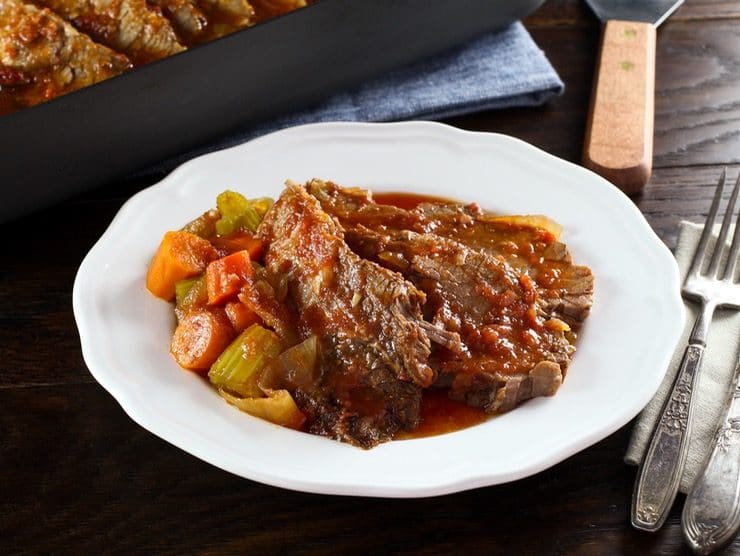
Food Photography and Styling by Kelly Jaggers
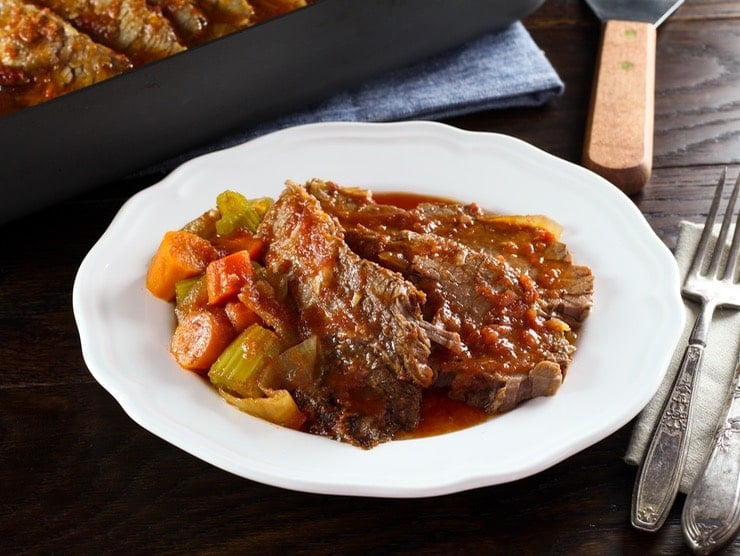
Holiday Brisket
Ingredients
- 5-7 pounds brisket, first or second cut (do not trim fat - especially if it's grass fed)
- 1/4 cup extra virgin olive oil, divided
- 2 large brown onions, peeled and sliced
- 1 pound carrots, peeled and sliced
- 1 pound celery, peeled and sliced
- 28 ounces tomatoes - whole, diced, or crushed (1 large can)
- 10 peeled whole garlic cloves
- 1/2 cup brown sugar
- 1/4 cup vinegar (I like apple cider vinegar, but white vinegar works too)
- 2 cups beef or chicken broth, divided
- Salt and pepper
Instructions
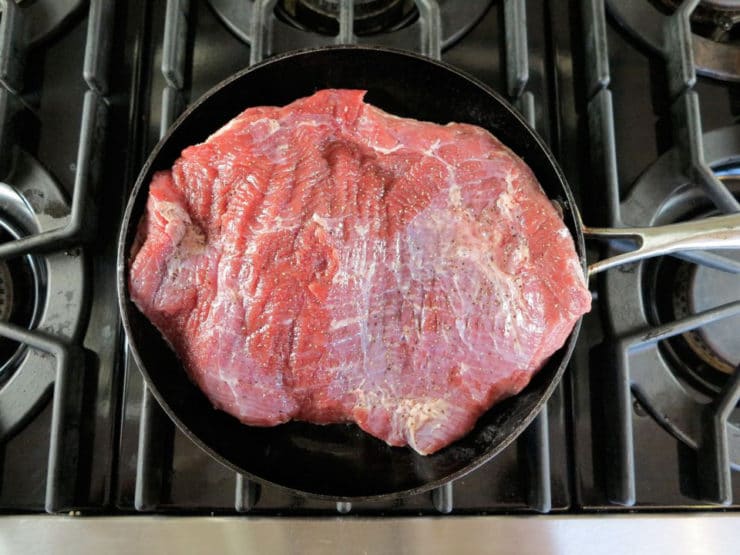
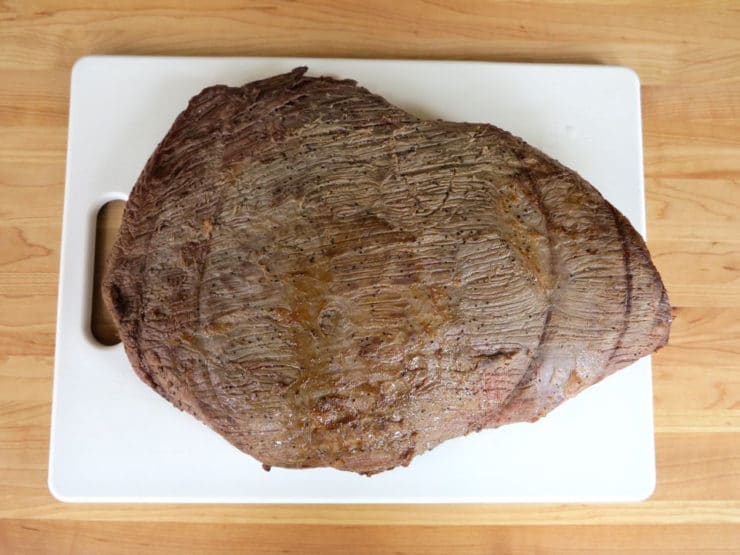
- Preheat oven to 300 degrees F. Rinse the brisket and pat dry. Rub both sides of the meat with black pepper and salt. Heat a large skillet over a medium flame on the stovetop. Drizzle 2 tbsp of olive oil into the pan. Brown the brisket on both sides—it will take 4-5 minutes per side. A large brisket may overlap the edges of the skillet; you can brown it in stages, letting half the brisket overlap the edge, then adjusting it to brown the other half.

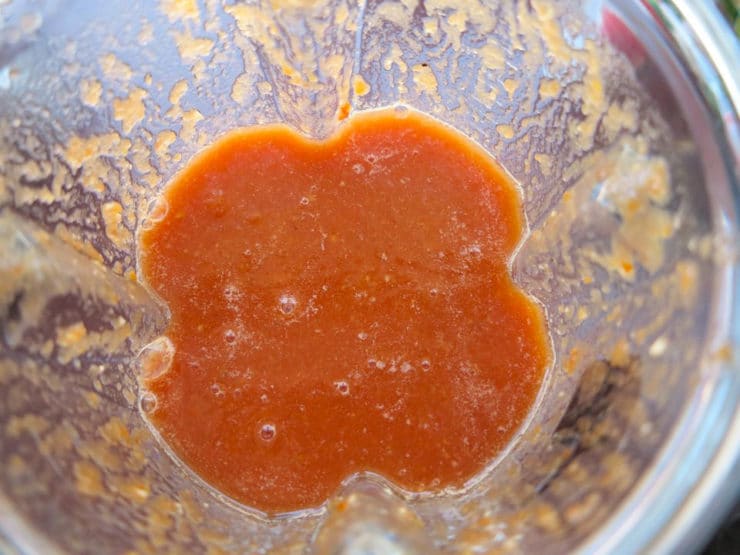
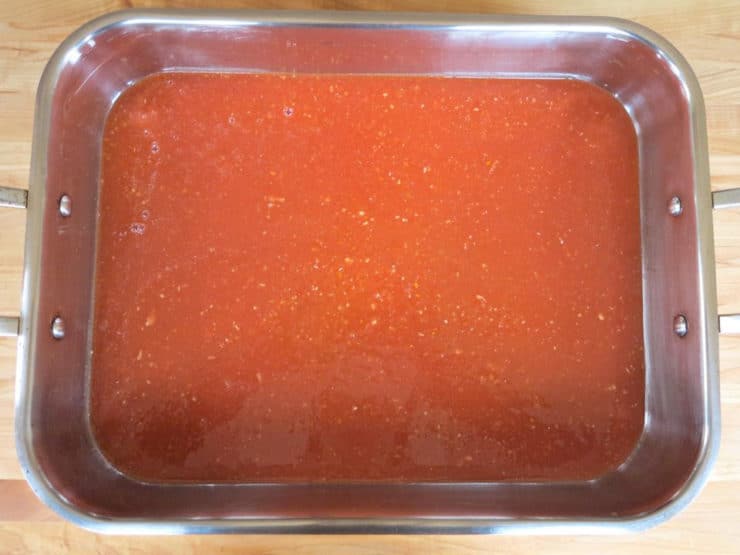
- While brisket is browning, pour canned tomatoes, garlic, brown sugar, apple cider vinegar, and 1 ½ cups broth into a blender or food processor. Add 2 tsp of salt (or 1 tsp if using a salted kosher cut of brisket) and ¼ tsp of black pepper. Pulse till garlic is chopped small and all ingredients are combined.
- Remove the browned brisket from the skillet.
- Drizzle 2 tbsp more olive oil in the pan and add the sliced onions. Saute them over medium high for a few minutes until they begin to soften and shrink in size.
- Add the carrot and celery slices. Sauté for another 5-6 minutes until the onions are soft and browning and the vegetables are fragrant.
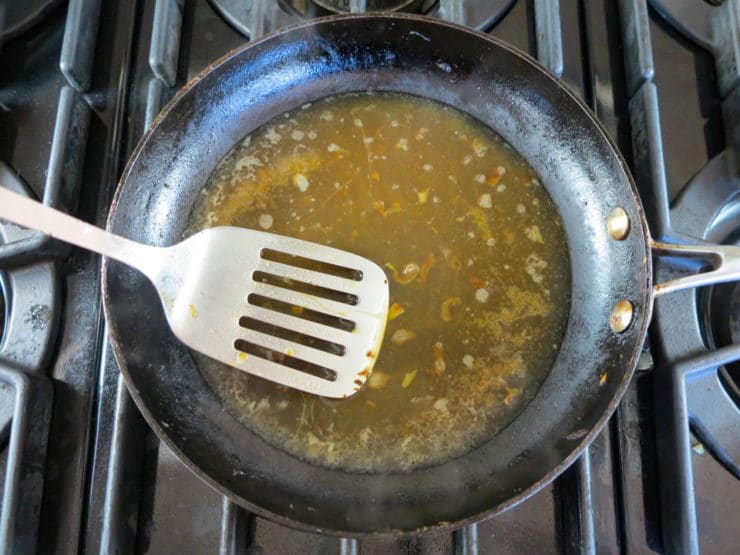
- Pour the vegetables out of the skillet and onto a plate, reserve. Add 1/2 cup beef stock or chicken stock into the skillet and let it heat up. Use a spatula to gently scrape up any brown bits and pan juices that are clinging to the skillet. Turn off heat.
- Pour half of the tomato mixture into a large roasting pan.
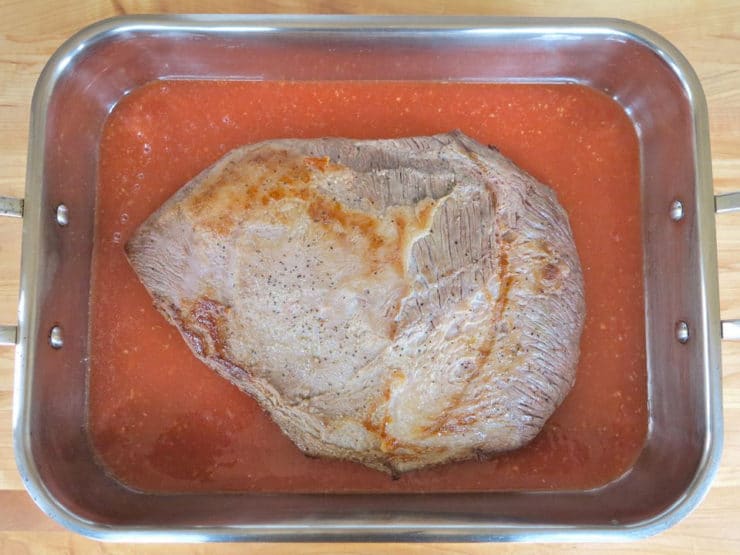
- Place brisket on top of the tomato sauce, fat cap facing up.
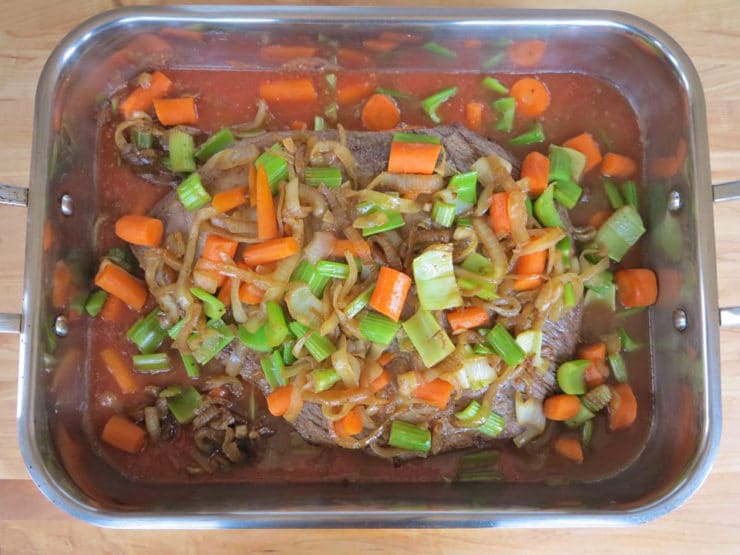
- Pour the sauteed vegetables across the top of the brisket, along with the broth and brown bits.
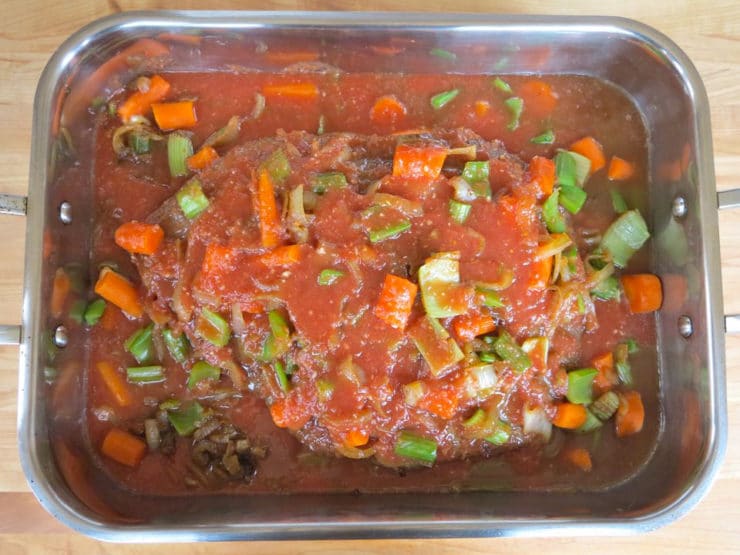
- Pour the remaining tomato sauce over the top of the vegetables and brisket.
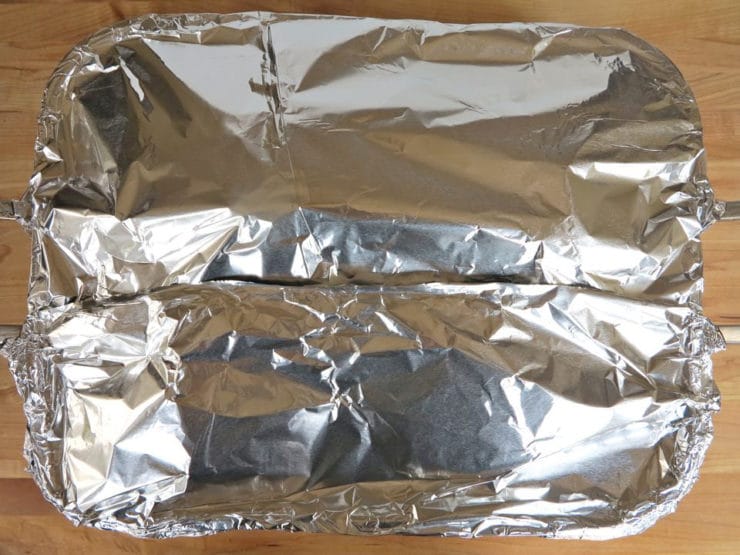
- Cover the roasting pan tightly with a layer of parchment paper followed by a layer of foil. The parchment forms a protective layer between the meat and sauce (which is acidic) and the foil.
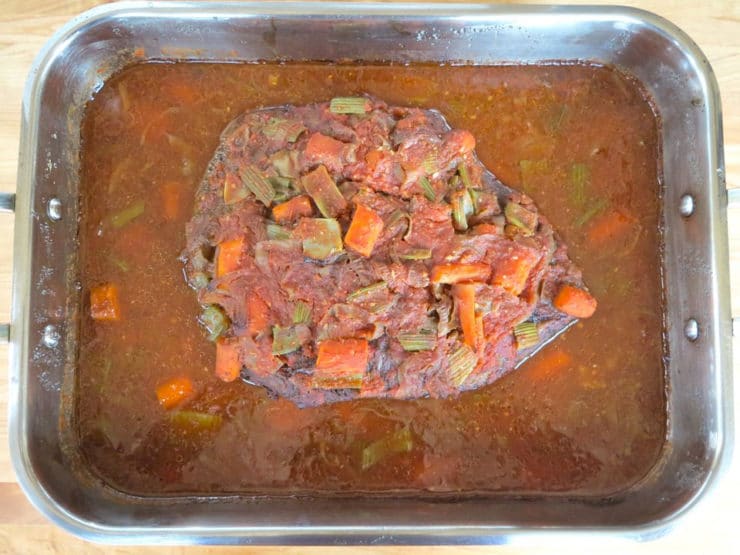
- Place brisket in the oven. Let it roast undisturbed for 5 to 7 hours. It will take about 1 hour per pound of meat (leaner cuts of meat like grass fed may take longer—test for doneness). Brisket is ready when it flakes tenderly when pierced with a fork. You can let it cook even longer for a soft, shredded texture if that’s what you prefer. When fully cooked, the brisket will have shrunk in size.I recommend making this brisket ahead; allowing it to sit in the refrigerator for 1-2 nights will improve the flavor. If you would like to do this, skip ahead to where it says “Make Ahead Directions.” If you are not making ahead, continue reading.
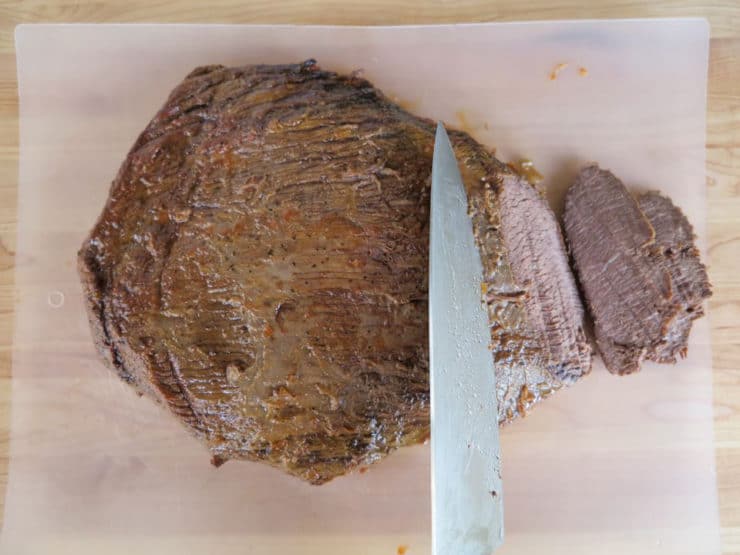
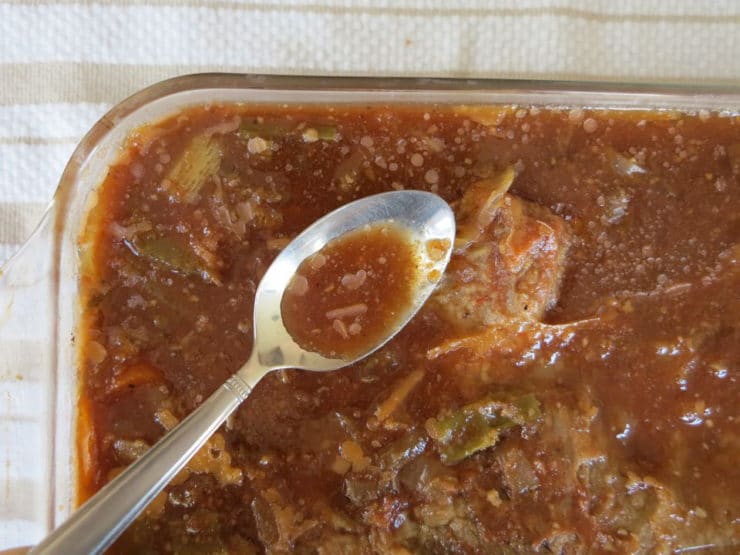
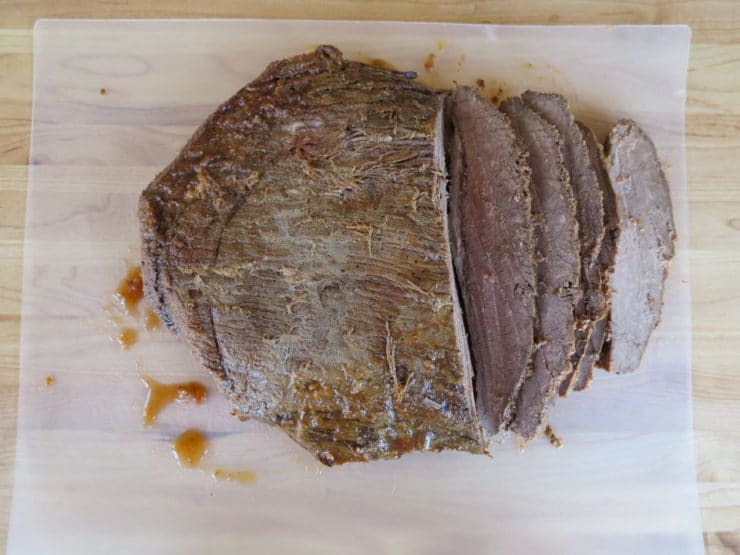
- Remove brisket from the pan and let it rest on the cutting board fat-side up for 20-30 minutes. Meanwhile, pour the sauce and vegetables from the roasting pan into a smaller saucepan. Skim fat from the surface of the cooking sauce, then reheat the sauce till hot (not boiling).Cut fat cap off the brisket, then cut the brisket in thin slices against the grain. Serve topped with hot tomato sauce and softened veggies.
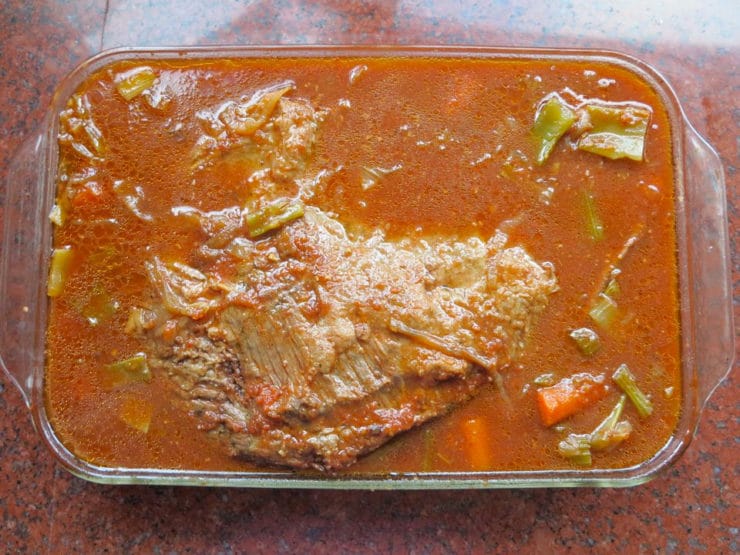
- Make Ahead Directions: Open the foil to vent and let the brisket slowly return to room temperature. Switch the brisket and sauce to a ceramic or glass dish (metal from the roasting pan can react with the acid in the sauce, which can cause an off taste if left to sit). Cover with plastic wrap and place in the refrigerator. Let the brisket chill overnight, or up to two days. You can also freeze the brisket if you prefer.
- 1-2 hours before serving, remove the brisket from the refrigerator and preheat your oven to 350 degrees F. The fat in the sauce will have risen to the top, turned white, and solidified. Use a spoon to scoop the fat bits out of the sauce and discard.
- Take the brisket out of the dish and brush any excess sauce back into the dish. Place brisket on a cutting board, fat-side up. Slice the meat cold—first cut the fat cap off the brisket, then cut the brisket in thin slices against the grain.
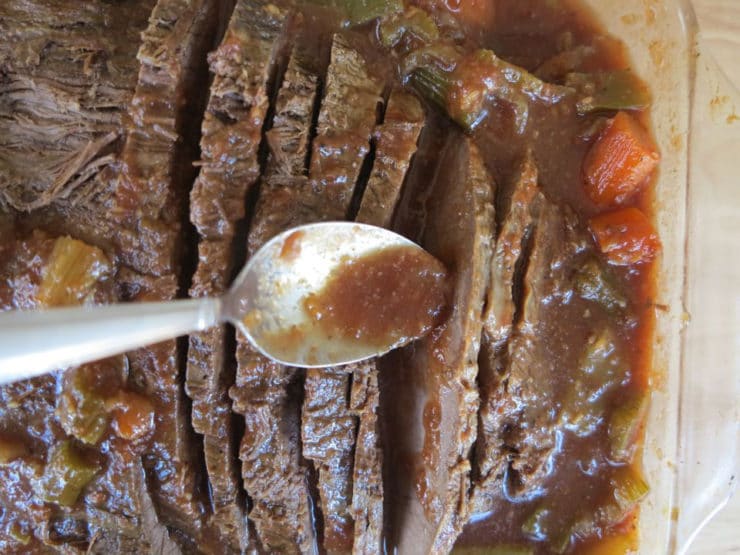
- Return the sliced meat to the dish and spoon sauce over it, making sure to spoon a little sauce between each slice. Cover the dish with a layer of parchment paper, then with foil, and place it in the oven.
- Let the brisket roast for 45-60 minutes until heated through. You can cook the brisket even longer to let it become more tender, if you wish. Serve with hot sauce and softened veggies. If you prefer, you can use a slow cooker to reheat. Set the slow cooker to high heat and cook until heated through, about 1 hour.



NOTES
Nutrition



I want to say a huge “thank you” for this brisket recipe! I gave up cooking brisket years ago, because they always came out tough and flavorless. Not anymore! This recipe is amazing and now it is my “go to” recipe for special shabbat and holiday dinners. Your recipe makes me look like a brisket superstar:-)
This recipe looks delicous, but am confused about what to do with the cooked vegetables in the make ahead version.
Should the veggies be stored in a dish seperate from the meat so they don’t get overly soggy?
Should I saute fresh veggies to mix in with brisket and sauce on reheat several days later?
You can keep the veggies in with the meat, they will already be extremely soft from slowly cooking with the brisket so keeping them in the juices with the meat won’t affect their texture much. If you’d like your veggies less overcooked, you can certainly saute fresh veggies when reheating if you wish. Some people like to discard the soft cooked veggies, some blend them up with the juices to create a thickened gravy, and some just include them whole and soft with the brisket. It’s totally a matter of preference. Enjoy!
This recipe was a MAJOR hit at our Seder. Thank you!!! You have a new blog fan.
Fabulous Patty! It was a hit at our Seder too. 🙂
The brisket was delicious!
I made this brisket yesterday for Passover with my family. It was a hit. I can’t wait to try other recipes. Great site.
Ok Thanks!
Sorry my last post disappeared! A single cut is half the depth of a double cut and has less fat. How would this change the cooking time? Thanks.
Time it by weight. The depth doesn’t matter, the weight does. 1 hour per pound, roughly… though it varies a bit per brisket, it’s not an exact science.
Well that came out all nonsense. Will a thicker cut mean a much longer cooking time?
It will take about 1 hour per pound of meat. I like a brisket that is a bit fattier (2nd cut or a well marbled 1st cut). You can estimate time based on 1 hour per pound. Hope that helps!
Hi. I meant to at single cut vs double cut. The double is twice as thick with fat between the layers. It’s cheaper but I’d I buy this. It sues what it will mean about the cooking time.
Hi. Is this recipe for a single or double brisket? Help I am at the butchers now.
It is for a single large brisket… I’m not sure what you mean by “double brisket,” but if you mean two separate briskets, then no, the recipe is for one brisket. Hope that helps!
I’m so glad I found your site! I was a shiksa too. I converted over 30 years ago but never had the benefit of in-laws who lived close enough to teach me about Jewish cooking. Everything I know is from Jewish cookbooks. I’m going to this brisket recipe this weekend, for Passover on Monday.
Made this delicious brisket for Rosh Hashanah. Came out great. Super tender with great flavor in the sauce. Took me back to my childhood. Thanks for the recipe and for the detailed instructions and pictures! I’m a “shiksa” fan!!!
Oh my my my. There was nothing left, the brisket disappeared. I have made my share of briskets over the years, and frankly, I don’t make it a lot due to cost and lukewarm reviews…but this was incredible. Juicy, tasty….it is amazing!! The sweet/sour meatballs are simmering as we speak, sure to be another hit.
Made this for Passover seder tonight. I followed your instructions exactly. It came out tender and tasty. I received complements from my picky eater husband AND my Mother-in-law! Thank YOU!
We do love brisket Tori!
Yours is very similar to the one we make, 16 lbs. all together, I caramelize it under the broiler first. Not fancy, just good! Unlike a lot of recipes, this is one I never change.
My nephew Stone has helped me make it since he was 4 years old. This year he’s nine, I’m hoping he’s make the whole thing himself!
LL
Love your blog. A Zeesen Peysach to you.
Epicurious has a wonderful brisket recipe, My Mother’s Brisket. I follow the recipe exactly except where it calls for 3 cups of water I add 2 cups of red holiday spice wine and 1 cup of water.
I’m tellin’ you, they’ll come from all over!
Ansky
Tori, this looks wonderful, like all your recipes. Over here in Israel, where our meat is never that great, and tends to be a lot less tender than anyone would wish for, I have found that the trick is cooking the brisket in a slow cooker/crock pot. Cooking in in the slow cooker also cuts out having to seal the meat in a pan. Here’s an alternative recipe for those of you who don’t have the advantage of tender American beef and want to try a slow cooker version. http://kosherblogger.wordpress.com/brisket-for-pesach/
Hey Margo! I have heard that good brisket can be difficult to find in Israel. I agree, the slow cooker is a great option. See my slow cooker recipes here:
https://toriavey.com/toris-kitchen/2015/04/savory-slow-cooker-brisket/
https://toriavey.com/what-is-passover/
And brisket cooking tips here (including tips for the slow cooker):
https://toriavey.com/toris-kitchen/2010/01/lets-talk-brisket/
At Passover, when I usually have 40-50 guests, I’ve been known to have 6 slow cookers going in my kitchen at the same time! Imagine the smell… so good!
Oh this makes me hungry. I’m glad you noted to buy the fattier meats. I would have gone lean otherwise. 🙂
Wow – that looks delicious! I love tomatoes cooked with beef – it makes amazing gravy!
My mother would make it in a similar way, however, after everything was done she put the gravy & all the vegetables in the blender. This made the most delicious gravy which was very rich & thick.