

In this post I will teach you how to make ginger beer the old fashioned way, no soda machine or brewery required. This drink is nice and refreshing on a warm day; it’s also one of the main ingredients in the popular Moscow Mule cocktail. It’s easy, really, and surprisingly fizzy. I’ve outlined the recipe and process below, including a how-to video and photo tutorial.
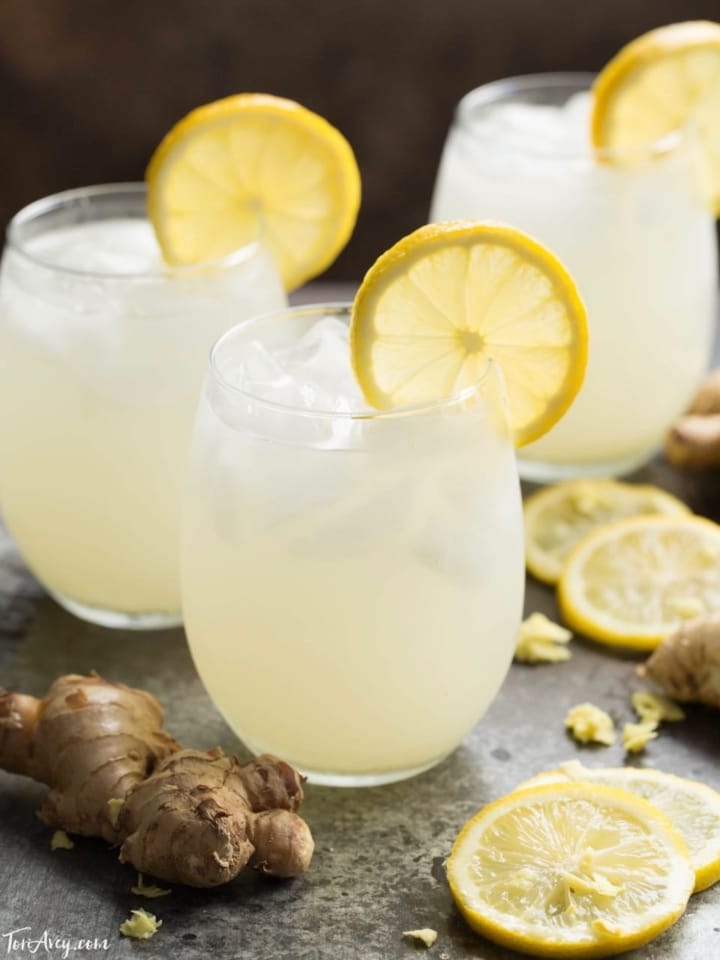
Ginger, with its zippy and refreshing taste, is listed among the world’s oldest spices. As far back as 500 BC, this native plant of China and India was used for medicine, food, and flavoring. For most of the Western world, ginger was used to spice up drinks. Up until the Victorian era, beer was the drink of choice in England, especially herbal and spiced low-alcohol “small” beers such as ginger beer.
I would be willing to bet that most us were introduced to the flavor of Zingiber officinale through ginger ale. I don’t know about you, but the zingy soda pop was my mom’s go-to cure for tummy aches. This non-alcoholic ginger ale made its American debut in 1866 when a Detroit, Michigan pharmacist named James Vernor installed a soda fountain in his drugstore. Vernor began playing around with ginger extracts, and in 1870 perfected his recipe, which included mellowing the syrup for four years in wooden casks. It’s not surprising that a pharmacist would chose ginger, as the rhizome was (and still is) known as a stomach soother. In fact, Vernor’s ads often touted “Mothers tell their children to ask for Vernor’s Ginger Ale because it’s wholesome and healthful.” Vernor’s Ginger Ale remains just as popular today.
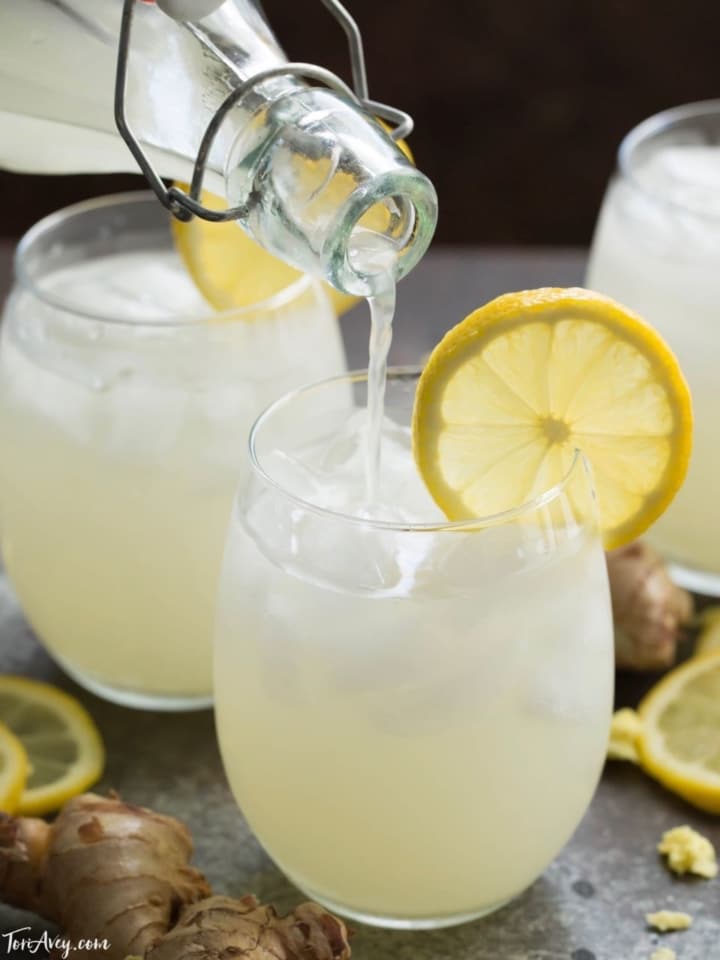
Ginger ale and ginger beer are both basically the same thing. It’s easy and inexpensive to make old-fashioned ginger beer at home, and you get more of a gingery taste than you do from the store-bought stuff. A bit of fermentation is involved, which produces a very slight alcohol content (not noticeable, but important to point out for those sensitive to alcohol). Some manufacturers ferment the mixture longer and make other adjustments to increase the alcohol content, but for our purposes this ginger beer is more akin to ginger ale. If you’re concerned, make the ginger syrup as noted below, but skip the fermentation process and mix it with seltzer water instead to produce a fermentation-free beverage.
Once you master the process of creating ginger beer, you’ll be hooked. It’s fun to ferment. Enjoy!
Recommended Products:
Video by Entice Films
We are a participant in the Amazon Services LLC Associates Program, an affiliate advertising program designed to provide a means for us to earn fees by linking to Amazon.com and affiliated sites. As an Amazon Associate I earn from qualifying purchases.
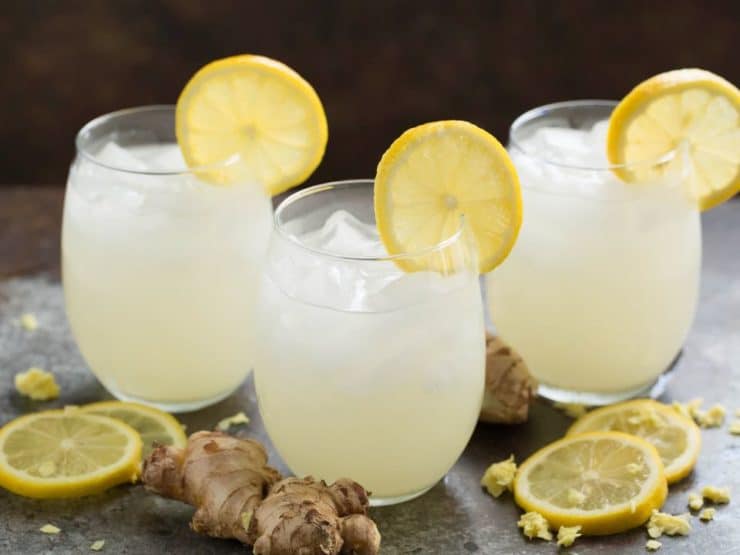
Homemade Ginger Beer
Ingredients
Ginger Syrup Ingredients
- 1 cup granulated sugar
- 1/2 cup water
- 2 tablespoons grated fresh ginger
Ginger Beer Ingredients
- 1/8 teaspoon active dry yeast or brewer's yeast
- Ginger syrup (ingredients above)
- 3 tablespoons lemon juice, freshly squeezed
- 7 cups filtered water
Instructions
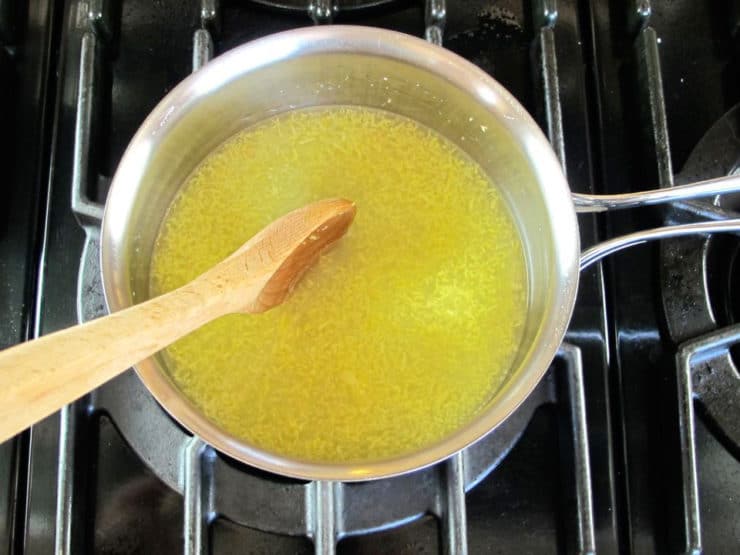
- Peel a chunk of the ginger with the tip of a teaspoon—the papery skin scrapes right off—and grate it, using the fine side of your grater. Place the ginger, sugar, and water in a saucepan over medium heat and stir until the sugar is dissolved. Turn off the heat and allow the mixture to steep for an hour.

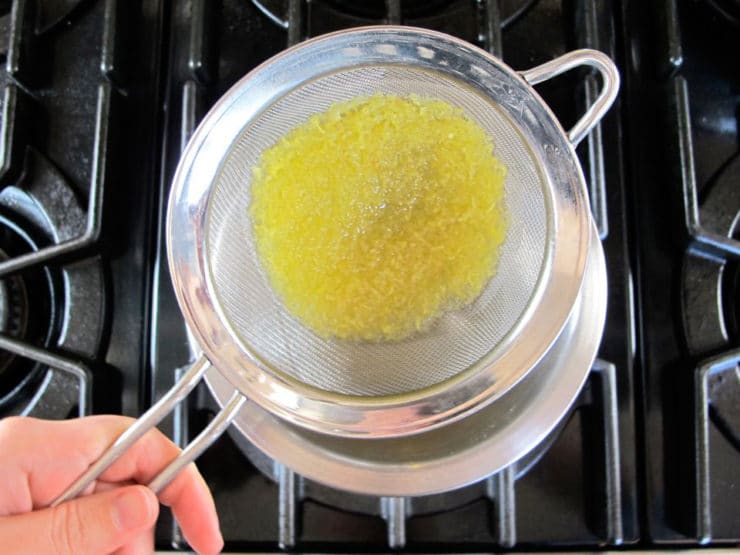
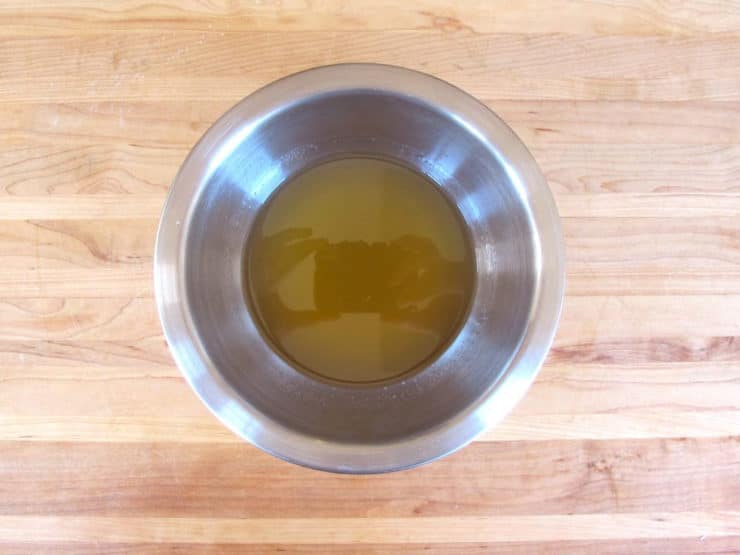
- Strain the mixture (discard the ginger solids) and allow to cool.
- You’ve now made ginger syrup (or gingerette, as the Brits call it). Stop right here if you’re looking for a short-cut to ginger ale and you don’t want to mess around with the fermentation process. Pour three or four tablespoons (more or less depending upon how gingery you like it) of your syrup over ice and add 8 ounces of seltzer water or club soda. Bottle the rest of the syrup and store it in the refrigerator.
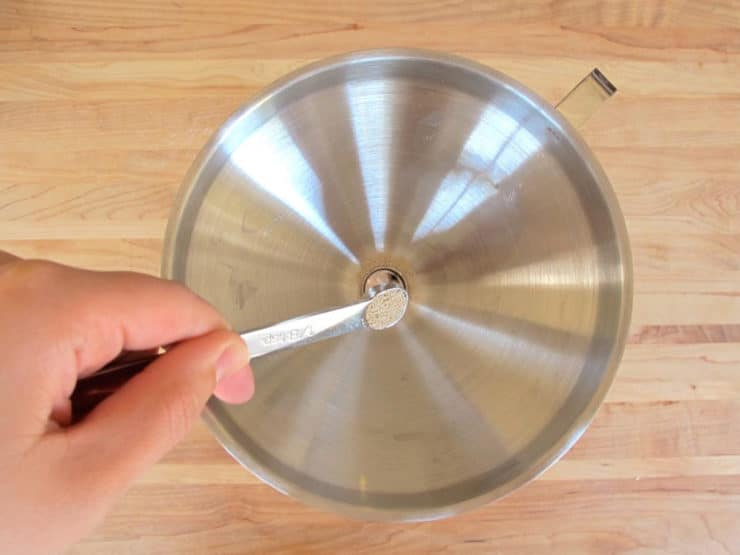
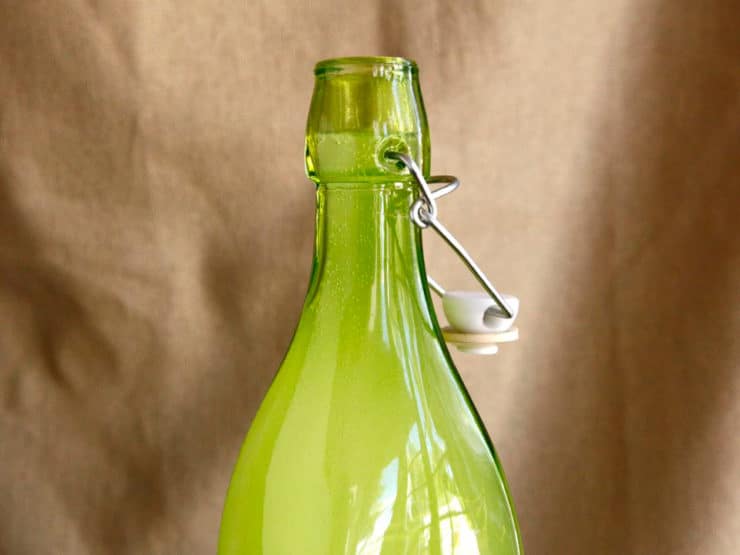
- For the full ginger beer experience, place a funnel in the top of the bottle. Sprinkle the yeast in, followed by the syrup, lemon juice, and water.
- Put the lid on the bottle and shake the concoction until the yeast is dissolved. Stow it on a shady shelf or in your pantry out of direct sunlight for 2-3 days, or until fizz is achieved. At this point it is ready to drink, and must be stored in the refrigerator to prevent further fermentation. Don't forget about the bottle, or the pressure will build up so much that it may explode!As with any yeast-powered beverage, the fermentation process continues unless you prevent it from happening. Refrigerating will slow the process down but not stop it completely, that's why it’s best to treat ginger beer as a perishable beverage. Consume within 1-2 weeks.
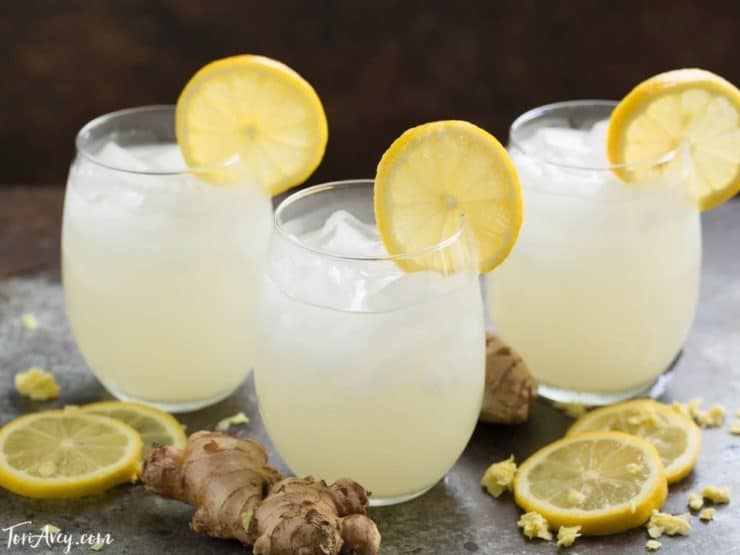
- Serve over ice and savor the spicy taste of your very own homemade ginger beer!
NOTES
Nutrition

tried this recipe?
Let us know in the comments!


I love this recipe, this will be my 4th batch tonight.
I boil the water, adding everything as you said, but for extra spice I add dried chilli, paprika for a darker colour, cayenne pepper for more spice and bite, ground cinnamon, and finally ground star anniseed. This all I strain, and then add it to the water. And yes, the raisans will also be added, it takes the bitter and bad yeast away.
I am also going to test this recipe for making an alcoholic one. It needs to be too controlled to allow the sugar and yeast to ferment, the last batch I tried but you never really know at what point it will be perfect, at 5% alcohol. So alcohol kills the fermentation process, this most of you know, and it also depends on what type of yeast you use. Baker’s yeast will die at say 3%, brewers probably at 5%, and then yes you get distiller’s and champagne which under a controlled environment will give you between 13 to even 18%! But we don’t want that.
So I am taking a fat(?) chance and rather add brandy. And to a few rum, and others vodka, to see which will give the best taste. 50ml to each 500ml bottle will make it about 4%, which should not kill the yeast process as yet, and right when it reaches 5 to 6% the alcohol should kill the fermentation process natuarally, yet still give me enough bubbles, and leave enough sugar.
Yes it sounds like cheating, but nope… 🙂 All of my alcohol is also home-made. All natural goodness.
Give me a week and I will report back, with an ice-cold one in one hand.
Interesting Rene! Looking forward to hearing your results.
NEVER ADD BAKERS YEAST OR ANY OTHER TO THIS
You can make your own yeast starter with Ginger and sugar water. In about 7 days of adding about a cup of water 1 oz of ginger and 2 oz sugar covered by cheesecloth everyday to the same batch and leave at room temperature. If you are getting too much you can through half of the water out. You will start to see it foam that means you have a starter. It should have a pleasant smell if not start over. I have done it twice and worked fine. The problem is it takes about a week to start and ferments a little slower in the fermenter. Use half of your total in a five gallon receipt and I think you can freeze the rest for use just take it out and warm it up to room temp then add water and sugar again for a day or so until you see it work again. I can’t see why if you have a dehydrator you can’t dry It like bread yeast. Just make sure you use a very active liquid. It should resolve any taste or smell issues. It should also add more ginger taste. Always taste before bottling as yeast uses up the sugar.
Do you need the lemon? I made a batch from another recipe (it called for a lemon, sliced thinly.) Also, here is a helpful hint – strip the labels from your plastic bottles, and if you have a dishwasher, place them on the bottom rack, and place the lids in the silverware holder. Then run the dishwasher at it’s highest temperature and make sure the heated dry is on. The plastic does not melt! It was the only way that I thought was safe to sterilize the bottles and lids.
I keep forgetting it and it tastes fine.
howdy ginger ale fans
how do i make fernented version for long term storage. Say approx. three months. The sugar would preserve it atleast that long. The main problem seems to be the yeast being active beyond brief brewing.
So we need to kill off the yeast after brewed enough.
Heat would be one method. But boiling may ruin the beverage not to mention render it still or flat. Next thought is salt. This too would kill the yeast off. But might impair the flavours. Not sure. All brewed ginger beer tastes better than non brewed hence wanting to keep to the brewed version. Just a storage issue. You cant keep venting bottles not convenient after beverage is made. You wouldnt do that with a commercial brand. Besides home made ismire flavoursome.
Hi
How much are you making? I make 5 to 6 gallons at a time and it never lasts a month. If it were me I would make the syrup and freeze it then when I wanted to make more I would though out add the yeast and the extra water.
Hank
Thanks for your good idea. I will give that a try. Making 8 – 10 gallons with about half that for storage. 4-5 gallons to keep to one side for following month.
You can use campden tablets. It is used in cider and wine making to stop fermentation, it also decreases the risk of infection.
If you wanted, you could let the ginger ale ferment out completely, making a much stronger drink, add the campden tablet to kill off the yeast then re-sweeten with more syrup.
Commercial made is made with c02 not yeast. Home store for brewing do sell tablets of c02. Not sure of how that tastes though. Amazon sells a most if not all supplies but I like to use my neighborhood seller because he or she can answer questions on the spot.
Simon,
You can control the fermentation by the amount of sugar you give it . The yeast will use up the sugar and will then be inactive . I have used the yeast from the bottom of some natural beers that still had live yeast in it. and made a batch of beer from it. if the yeast gets old it will be dead. and can not be revived. have fun, don.
I use from 1 to 2 lbs of Ginger and add sugar until I like the taste probably about 3 lbs for five to six gallons. I like mine sweet. I have used bread yeast without any flavor I can taste. After adding water to fill the 5 gallon bucket I add more sugar to taste. I have use lemon and not used it taste was about the same. Also why throughout the ginger it makes good Gingerbread. Use it all it will not be too strong in a 9″x13″ pan.
Hi All
Thanks for the great recipe. I can wait to try it out.
I am a homebrewer and was wondering what advice you would give for scaling this recipe up to a 5 gallon batch??
Just multiply everything by 10??
4 Quarts(liters) equal a gallon, so 20 quarts in a gallon…and this creates 2 liters….is this right?
Thanks
-Mark
1 gallon is 4 quarts is 128 oz. 5 gallons is 20 quarts. 1 quart is 32 oz and 1 liter is 33.7 oz I think.
I don’t have a dishwasher. How would you recommend I sterilize the bottle?
Hi Ginny– you can place it in a pot, cover with cold water, and bring to a boil for 3-4 minutes to sterilize.
Use a unscented bleach about 1 oz to a gallon of water. Let set for 15 minutes. Then drain and let dry. Do the same with all things used in making Ginger Beer.
My first batch with your recipe rivaled “Vernors” ginger ale … my all time favorite soft drink. I’ve experimented with subsequent batches, but have been dissatisfied with my deviations from your directions. This is a rock solid recipe. Thank you.
Great to hear that Russ!
Do you open it every day after you’ve bottled it? Or do you leave it untouched for those first two days?
You don’t need to open it till the fizz begins to develop.
I leave it untouched for a day or two, then I put it in the fridge. We’ve never had one explode this way, but we’ve had it overflow champagne-style once because I let it sit on the counter for too long.
Hello,
because I’m not familiar with this measurement system, could someone please tell me how much of water etc. is in 1 cup (if possible in metric), something like 1 deciliter or more, probably more if you make 2 liters from it? Also tbsp/tsp means tablespoon and is there any big difference if I would put in more or less yeast?
Tnx
1 cup is about 250 mL or 25 cL or 2.5 dL
(or 237 mL or 23.7 cL or 2.37 dL for the technical ones)
tbsp –> tablespoon ( = 15 mL)
tsp –> teaspoon (= 5 mL)
Thank you very much! =)
Less yeast is best you don’t want to use up your sugar and cause too much pressure or alcohol.
I make 5 to 6 gallons at a time. I use two 1 liter saucepans level with sugar. 1 to 2 lbs of ginger depending on how fresh it is. Simmer it for 1 to 2 hours then dump into my 7 gallon fermenter. I then simmer the leftover ginger again same sugar and both with 6 liters of water again I put the filtered water into the fermenter. I then put ice to cool after cooled down I add water to the batch to what I am making. after all of this I then add up to 15 ml of bread yeast no more remember it produces more yeast and you don’t need it. Never a problem with odor or taste. After it is left overnight I then taste it, if not sweet enough I add more. If to sweet then I add water to help or let ferment longer. It has never been left over two days in the fermenter. Bottling I use Mr Beer bottles or even gatorade bottles. I have used two liter coke bottles but they are too weak to hold the pressure and round off the bottoms. As far a lemon I have made it either way and can’t really tell the difference. Depending on the temperature leave the bottles out. Press on them and the plastic will give after a while maybe overnight they will not give. PUT THEM IT THE FRIDGE!!! I have had both glass and plastic bottles explode when I first started. By the way google is a big help in going from metric and back. Also you can make your own yeast starter with Ginger and sugar water. In about 7 days of adding about a cup of water 1 oz of ginger and 2 oz sugar covered by cheesecloth to the same batch and at room temperature. If you are getting too much you can through half of the water out. You will start to see it foam that means you have a starter. It should have a pleasant smell if not start over. I have done it twice and worked fine. The problem is it takes a week to start and ferments a little slower. Use half in a five gallon receipt. It should resolve any taste or smell issues. It should also add more ginger taste.
1 cup = 240 ml
You should look at getting some Pat Macks bottlecaps, this prevents the bottle from exploding and allows for perfect carbonation without worry.
I make my ginger beer with a ginger bug (or plant, as noted above). It’s just ginger, sugar, and water, and it bubbles away on my counter as long as I feed it. It carbonates with wild yeasts. We use that ginger bug to make ginger beer as well as peach soda and raspberry soda.
I also bottle in glass and have not had an explosion yet.
If you leave it out it will. Keep it in the coldest part of the fridge.
Don’t throw away the strained-out solids! They taste really nice in tea or by themselves and help out a lot with stomach aches and colds.
I have a few concerns with this. I tried it, and I know that the bread yeast doesn’t help with the flavor, so I will find some brewers yeast. I just don’t want it to get too high percentage of alcohol to the point it is considered “alcoholic”. What kinds of preservatives can I find to stop the fermentation process?
Campden tablets or potassium sorbate will work to kill the yeast, as will extreme heat or cold. Wherever you find brewer’s yeast, campden and potassium sorbate will be there too. Popping in the fridge also works, but it takes longer. Hope that helped.
Hi! Just found this while searching for ginger beer recipes. Looks quite easy and would like to try it. After reading the comments I was wondering if there are any updates on it, like, using stevia, or the salt and water to waken, does the reg. yeast (“Fleishmans”)etc. give a sulphur taste/smell. Also what happens if I went heavy on the ginger or left the grated ginger in it. Thank you
Stevia does not ferment so using ONLY stevia will mean your ginger beer stays flat. Using a small amount of sugar – about 2 teaspoons – should give the yeast enough to be able to carbonate the ginger beer. You can then add stevia or other sweeteners to achieve the desired sweetness.
For the same reason salt and water will not give any carbonation.
Sulphur smell may possibly have come from bacterial contamination – its good to sterilise all the equipment that you use before you start. I use a weak iodine solution though there are many other ways.
Going heavy on the ginger is exactly what I do, leaving the ginger in is also fine – I sieve it out as I pour it
HI! Thanks so much for the recipe. I love ginger beer and particularly like the ones with the sediment on the bottom. Is it ok to skip the straining out the big chunks of ginger or will the ginger make the batch go sour? Thanks again
I cant get past that smell of fresh ginger, mmmmmm!
Hi
I have a big pot of bread yeast in my freezer, would that be sufficuent?
can you really freeze fresh yeast and not kill it with extreme cold
I have had 1 pound of yeast in the freezer for over 5 years and just used the last tablespoon making my last 5 gallons of Ginger beer. worked real good. You only need a little over a teaspoon for 5 gallons and needs to sit out for a couple of days. If worried about any taste from bread yeast I have never had any. But you can order from any Beer or wine supply yeast for that. would not waste the money.
Say, has anyone tried this method to make carbonated lemonade or orangeade? I’ve made Lemon “Squash” (UK term?) concentrate for years – just wondering what would happen if I diluted it with water and added some yeast in a glass bottle like that shown at top of this article. Maybe I’ll just try it and post the results!!
It probably won’t work as most brands of squash will have some sort of preservative that will severely slow or even prevent fermentation. If you can find a “no-preservative” brand that may work.
if you use fresh squeezed oranges it may work. my worry would be the flavour. may be simpler to make squash from supermarket diluted with sparkling spring water or use a soda stream to gas carbonate. please do tell about your progress.
fermented orange taste awful don’t do that one
Hello,
I tried your recipe and after two days I opened the bottle to release the pressure and it released a strong sulfur smell. I sampled the ginger beer on the fourth day and although it tasted fine, it has a sulfur odor. The only thing I can think of is that I used “Fleishmans” active dry yeast (from the packets) which is usually used to make bread. Has anyone else had this problem?
Yes! I have had this problem as well. It has to do with the yeast. Mine also had a bad aftertaste. It’s a lot better if you use brewers yeast. The kind of yeast matters a lot!
the sulfer smell is from the yeast they do not have enough nutrient try adding grapes next time